Indoor Air Quality and Detox: How Household Pollutants May Add to Your Daily Toxic Load
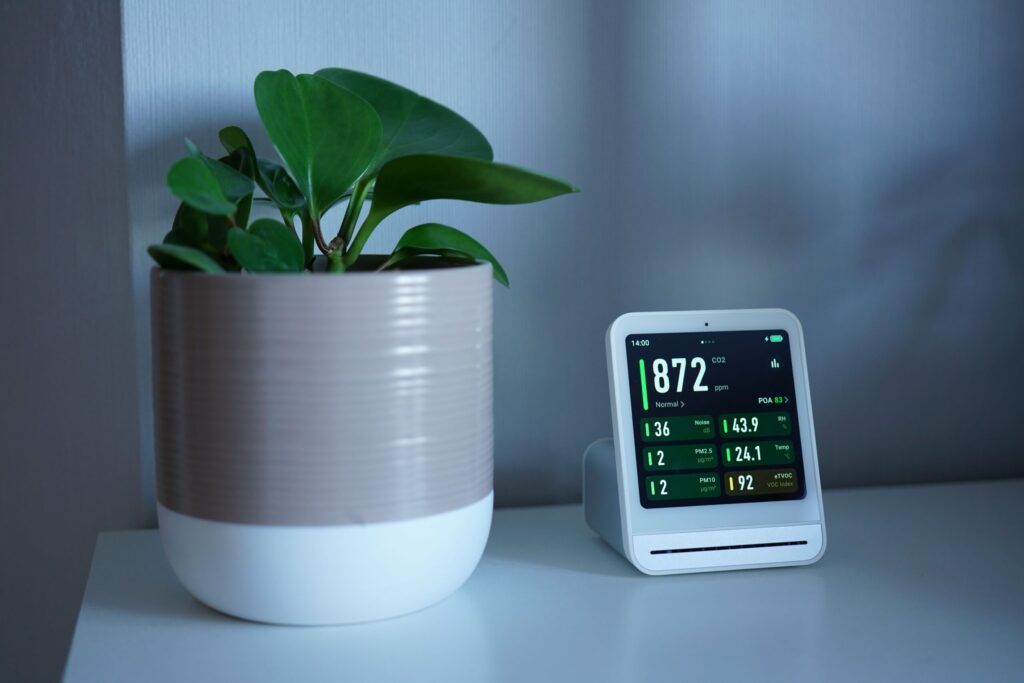
Detox Starts With the Air You Breathe
Your home should be a place where your body can rest, repair, and reset. Yet the air inside a home can carry a steady mix of particles, gases, moisture, residues, and chemical compounds that may add to the daily burden your body already works to manage.
When people think about detox, they often think about food, water, heavy metals, or short-term cleansing routines. Air deserves a place in that conversation too. Breathing is continuous. Every day, your lungs interact with the air in your bedroom, kitchen, bathroom, laundry area, office, and living room. If that air contains irritants or pollutants, your body has to respond.
At Folium pX, we believe a low-toxin lifestyle begins with awareness. That means looking at what enters the body, reducing unnecessary exposure where possible, and supporting the body’s natural detox and antioxidant systems from within.
Indoor air quality is not about fear or perfection. It is about making better daily choices. A cleaner home environment, paired with antioxidant support, hydration, movement, sleep, and mindful product choices, can help create a more supportive foundation for wellness.
Key Takeaways
- Indoor air quality matters because breathing is a daily exposure pathway, especially in bedrooms, kitchens, bathrooms, and home workspaces.
- Household pollutants such as VOCs, dust, particulate matter, mold, moisture, and combustion byproducts may add to the body’s daily toxic load.
- A clean-smelling home is not always a low-toxin home. Fragrance, air fresheners, cleaning sprays, and scented products may contribute to indoor air concerns.
- Source control, ventilation, filtration, and moisture management are practical ways to support cleaner indoor air.
- Reducing exposure and supporting the body from within can work together, especially through hydration, nutrition, movement, sleep, and antioxidant support.
Did you know? EPA notes that source control, ventilation, and filtration can help reduce exposure to indoor pollutants. What is the first room in your home you would focus on?
What Indoor Air Quality Means
Indoor air quality refers to the condition of the air inside and around buildings, especially as it relates to health, comfort, and daily function. It is shaped by many factors, including:
- Ventilation
- Humidity
- Dust levels
- Building materials
- Household products
- Cooking habits
- Cleaning routines
- Mold or moisture issues
- Outdoor pollution entering the home
A room can look clean and still have poor air quality. Many indoor pollutants are invisible. Some are released from products during use, while others slowly enter the air over time from furniture, flooring, paint, adhesives, stored chemicals, or damp materials.
The goal is not to eliminate every exposure. That is unrealistic. The goal is to reduce avoidable sources so the body has less to process every day.
Common Household Pollutants That May Add to Daily Toxic Load
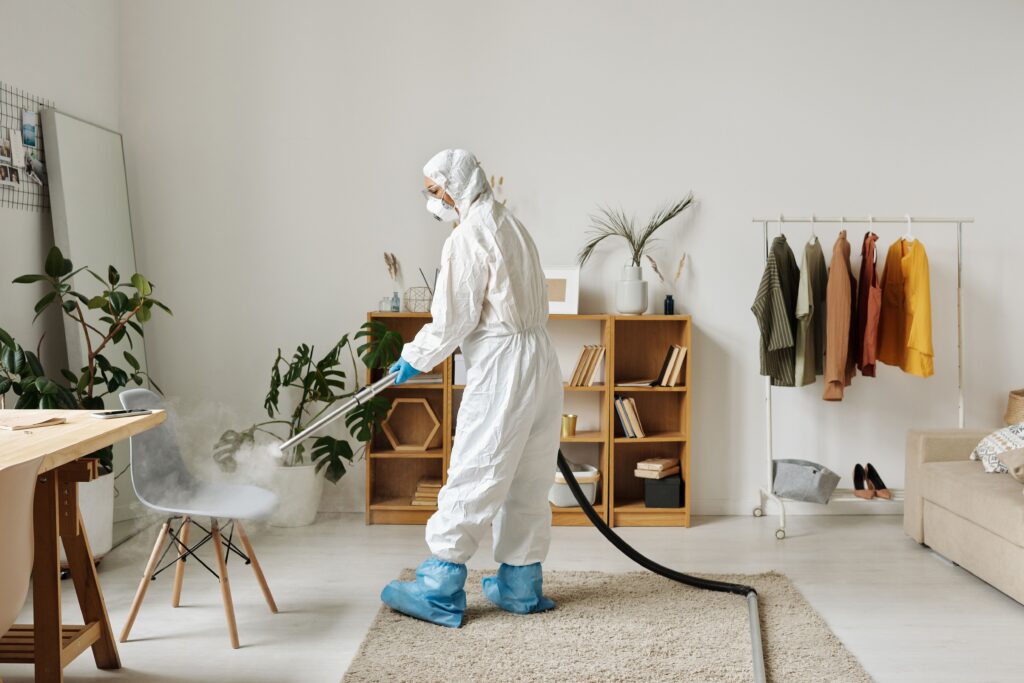
Daily toxic load is the cumulative burden of exposures the body encounters from air, water, food, personal care products, household materials, and the wider environment. Indoor air can contribute to that burden in several ways.
Volatile Organic Compounds
Volatile organic compounds, often called VOCs, are chemicals that can be released as gases from certain solids or liquids. Common household sources may include:
- Paints and paint strippers
- Solvents
- Aerosol sprays
- Cleansers and disinfectants
- Air fresheners
- Moth repellents
- Stored fuels
- Automotive products
- Hobby supplies
- Dry-cleaned clothing
- Pesticides
- Building materials and furnishings
VOCs are one reason a “new” smell from furniture, flooring, paint, carpet, or a mattress should not always be interpreted as harmless. They are also why a strongly scented cleaning product does not necessarily mean a healthier home.
Particulate Matter
Particulate matter refers to tiny particles in the air. Indoors, particles may come from cooking, candles, fireplaces, smoke, dust, pet dander, outdoor pollution, and residue from household activities.
Fine particles are a concern because they can be inhaled deeply. Source reduction, ventilation, and filtration can all help lower indoor particle exposure.
Mold, Moisture, and Biological Pollutants
Dampness creates conditions where mold, mildew, and other biological pollutants may develop. Bathrooms, basements, kitchens, laundry areas, windows, and areas around leaks deserve special attention.
Moisture control is one of the most practical indoor air detox steps because it addresses the conditions that allow microbial growth.
Carbon Monoxide and Combustion Byproducts
Gas stoves, heaters, fireplaces, attached garages, and fuel-burning appliances can affect indoor air. Carbon monoxide is especially serious because it is colorless and odorless.
Every home with combustion sources should have working carbon monoxide alarms, proper ventilation, and regular appliance maintenance.
Dust and Household Residues
Dust can carry particles from old paint, tracked-in soil, pollen, smoke residue, fibers, and household materials. Removing shoes at the door, wet-mopping, and using a quality vacuum can help reduce what settles on floors and surfaces.
Household Pollutants at a Glance
| Indoor Source | What It May Release | Practical Step |
| Cleaning sprays and disinfectants | VOCs, fragrance compounds, residues | Choose fragrance-free or low-VOC products when possible |
| Cooking, candles, fireplaces | Fine particles, smoke, combustion byproducts | Ventilate during use and avoid burning oils |
| Paint, flooring, new furniture | VOCs and off-gassing chemicals | Ventilate well and choose low-VOC materials |
| Damp bathrooms and leaks | Mold, mildew, microbial particles | Fix leaks and control humidity |
| Dust and tracked-in soil | Particles, pollen, residues | Remove shoes, wet-mop, and vacuum regularly |
| Gas appliances and attached garages | Combustion byproducts, carbon monoxide risk | Maintain appliances and use carbon monoxide alarms |
How Household Pollutants Add to Toxic Load
Toxic load is rarely about one single exposure. More often, it is the result of repeated contact with small amounts of unwanted substances from many sources.
The body is always working. The lungs filter air. The liver processes compounds. The kidneys help remove waste. The digestive system supports elimination. The skin, lymphatic system, and antioxidant defenses all play roles in maintaining balance.
Indoor air matters because breathing is constant. You may drink water a few times a day and eat a few meals, but you breathe all day and all night. That makes the quality of indoor air especially important in bedrooms, home offices, and other spaces where you spend the most time.
A cleaner indoor environment helps reduce what enters the body. That is the first step. The second step is supporting the body’s natural systems with healthy lifestyle habits and antioxidant support.
At Folium pX, we view detox as a daily process, not a quick fix. Your body is designed to detoxify, neutralize, and eliminate. The goal is to reduce unnecessary burden while supporting the systems that already do this work.
Indoor Air, Free Radicals, and Oxidative Stress
Many environmental stressors can contribute to oxidative stress. Oxidative stress occurs when free radical activity exceeds the body’s antioxidant defenses. Free radicals are unstable molecules that can interact with cells and tissues. Antioxidants help the body maintain balance.
Air pollution research has linked pollutant exposure with oxidative stress and inflammatory pathways. This is one reason indoor air quality belongs in a broader detox conversation.
At Folium pX, our focus includes support for free radicals, toxic heavy metals, and full body detox. Folium pX features plant-based ingredients, including pine bark extract and grape seed extract, two sources associated with OPCs and antioxidant capacity.
A smart wellness strategy works from both sides:
- Reduce incoming exposure from the environment
- Support the body’s natural antioxidant and detox systems from within
Indoor air improvement is not a replacement for internal support. Internal support is not a replacement for reducing exposure. They work best together.
Why a “Clean” Home Can Still Have Polluted Air
A home can be spotless and still contain airborne pollutants. Clean does not always mean low-toxin.
Many conventional cleaning products are designed to leave a strong smell. That scent can make a room feel fresh, but fragrance itself may be part of the chemical load. Air fresheners, scented candles, plug-ins, disinfecting sprays, laundry fragrances, and bathroom deodorizers may all add compounds to the air.
A better definition of clean is simple:
- Low in dust
- Dry and well ventilated
- Free from unnecessary fragrance
- Free from visible mold
- Supported by fresh air when outdoor conditions are good
- Maintained with safer product choices
Instead of asking, “Does this room smell clean?” ask, “Is this room actually supporting clean air?”
That shift can change how you shop, clean, ventilate, and organize your home.
Practical Ways to Improve Indoor Air Quality

Improving indoor air quality does not require an extreme lifestyle. Start with the basics: source control, ventilation, filtration, and moisture management.
1. Reduce Pollutant Sources
The most effective pollutant is the one you do not bring into your home.
Try these steps:
- Choose fragrance-free products when possible.
- Look for low-VOC paints, finishes, and building materials.
- Avoid unnecessary air fresheners and scented sprays.
- Store paints, solvents, fuels, and pesticides away from living spaces.
- Use cleaning products according to label directions.
- Never mix cleaning chemicals.
- Let new furniture or household items air out when appropriate.
- Reduce clutter that collects dust.
Small product swaps can add up over time. The goal is not to throw everything away at once. Replace higher-exposure products gradually with better options.
2. Ventilate Strategically
Ventilation helps dilute indoor pollutants and bring in fresh air. Use it when it makes sense.
Helpful habits include:
- Run the exhaust fan while cooking.
- Use the bathroom fan during and after showers.
- Open windows when outdoor air quality is good.
- Ventilate after painting, cleaning, or using strong-smelling products.
- Increase airflow when bringing in new furniture, rugs, or mattresses.
Ventilation should be used thoughtfully. If outdoor air is smoky, polluted, or full of pollen, filtration may be a better choice at that moment.
3. Filter the Air
Air filtration can be helpful, especially in bedrooms, nurseries, home offices, or high-use living areas.
Consider:
- A HEPA air purifier in the room where you sleep
- Regular HVAC filter changes
- Properly sized air cleaners for the room
- Vacuuming with a HEPA filter when possible
Air purifiers are not magic. They work best when paired with source control and cleaning routines.
4. Manage Moisture
Moisture control is central to healthy indoor air.
Focus on:
- Fixing leaks quickly
- Drying wet materials
- Using bathroom fans
- Keeping humidity in a healthy range
- Cleaning small areas of mildew safely
- Calling a professional for larger mold issues
Musty odors should not be ignored. They often signal moisture problems that deserve attention.
5. Clean Dust Without Stirring It Up
Dust is more than a cosmetic issue. It can carry particles and residues.
Better dust control includes:
- Wet-mopping hard floors
- Using microfiber cloths
- Washing bedding regularly
- Vacuuming carpets and rugs
- Cleaning vents and fan blades
- Removing shoes at the door
- Using washable entry mats
The less dust your home holds, the less material there is to recirculate into the air.
Supporting Natural Detox From Within
Cleaner air helps reduce what comes in. Healthy daily habits help support how the body responds.
A detox-supportive routine may include:
- Drinking enough water
- Eating fiber-rich foods
- Eating colorful fruits and vegetables
- Including cruciferous vegetables such as broccoli, cabbage, kale, and cauliflower
- Getting enough protein to support liver pathways
- Moving daily
- Sweating through safe exercise or heat exposure, if appropriate
- Prioritizing sleep
- Reducing alcohol and ultra-processed foods
- Supporting antioxidant intake
Antioxidants are important because modern life exposes the body to many sources of oxidative stress. This is where Folium pX fits naturally into a low-toxin lifestyle.
Folium pX is a plant-based nutraceutical featuring carefully selected plant, herb, and flower ingredients. Its two key ingredients are pine bark extract and grape seed extract, both known as rich sources of OPCs. Folium pX is positioned to support full body detox, free radical support, and toxic heavy metal detox.
We also believe supplements work best as part of a lifestyle. They are not a substitute for clean air, good nutrition, rest, hydration, or wise daily choices.
Room-by-Room Indoor Air Detox Checklist

Kitchen
- Use the range hood or fan when cooking.
- Avoid burning oils.
- Keep gas appliances maintained.
- Clean grease buildup.
- Store cleaning products away from food prep areas.
Bedroom
- Prioritize clean air where you sleep.
- Wash sheets and pillowcases regularly.
- Reduce synthetic fragrance.
- Consider a HEPA air purifier.
- Vacuum under the bed and around furniture.
Bathroom
- Run the fan during and after showers.
- Fix leaks promptly.
- Clean visible mildew.
- Avoid mixing cleaning products.
- Keep towels and bathmats dry.
Laundry Area
- Choose fragrance-free detergent when possible.
- Keep chemical products sealed.
- Vent dryers properly.
- Clean lint buildup.
Living Room
- Reduce plug-ins, incense, and heavy fragrance.
- Dust electronics and shelves.
- Vacuum upholstery.
- Ventilate after using candles or fireplaces.
Entryway
- Remove shoes at the door.
- Use washable mats.
- Clean tracked-in dirt often.
- Keep outdoor residues from spreading through the home.
Where Folium pX Fits Into a Low-Toxin Lifestyle
A low-toxin lifestyle has two sides. First, reduce avoidable exposure. Second, support the body from within.
Indoor air quality belongs to the first side. It helps reduce what enters your body every day. Folium pX belongs to the second side. It is designed to support the body’s natural detox and antioxidant systems.
For people who are already making cleaner choices with food, water, home products, and air quality, Folium pX can be part of a daily wellness routine that supports resilience from within.
As always, Folium pX is a dietary supplement. It is not intended to diagnose, treat, cure, or prevent disease. Results may vary. If you are pregnant, nursing, taking medication, or managing a medical condition, consult a qualified healthcare professional before using any supplement.
Conclusion: Reduce the Burden, Support the Body
Indoor air quality is one of the most overlooked parts of daily wellness. The air in your home may carry VOCs, particles, dust, moisture-related contaminants, fragrance compounds, and combustion byproducts. Over time, those exposures may add to the body’s daily toxic load.
The good news is that many improvements are simple. Reduce unnecessary sources. Ventilate wisely. Filter where helpful. Control moisture. Clean dust regularly. Choose products with care.
Then support your body from within through hydration, nutrition, movement, sleep, and antioxidant support.
Start with the room where you spend the most time. Cleaner air and stronger internal support can work together to help your body face modern environmental stress with greater balance.
Support your body from within with Folium pX, a plant-based nutraceutical designed for full body detox, toxic heavy metal detox, and free radical support. Order online.
Further Reading
- Introduction to Indoor Air Quality: EPA guidance explaining what indoor air quality means, why indoor pollutants matter, and how indoor environments may affect comfort and health.
- Volatile Organic Compounds’ Impact on Indoor Air Quality: EPA guidance on VOCs and common household sources such as paints, cleaning products, air fresheners, disinfectants, pesticides, building materials, and furnishings.
- The Inside Story: A Guide to Indoor Air Quality: A Consumer Product Safety Commission guide covering common indoor air pollution sources, symptoms, ventilation, and practical home safety steps.
- Indoor Air Pollution: American Lung Association guidance on common indoor air pollutants, including particulate matter, mold, radon, carbon monoxide, and household chemicals.
- Exposure and Health Impacts of Air Pollution: WHO overview of how air pollutants enter the body through the respiratory tract and may contribute to inflammation and oxidative stress.