
What Are OPCs? The Science of the Plant-Based Antioxidants in Folium pX
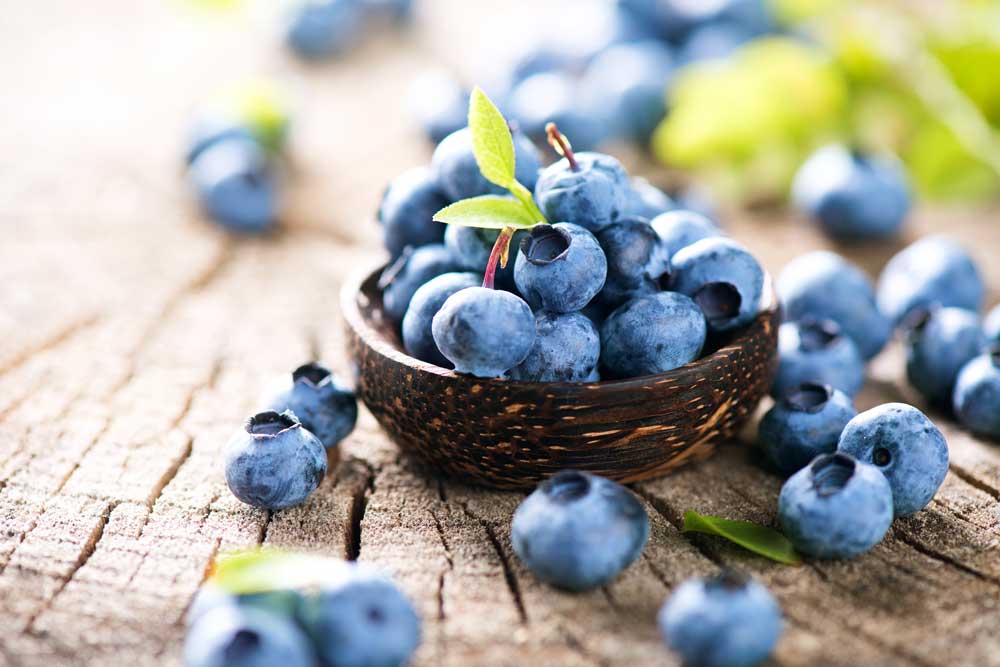
OPCs, or oligomeric proanthocyanidins, are a class of plant-derived bioflavonoids concentrated most heavily in grape seed and pine bark extracts, which have been studied for decades for their unique protective properties. Their molecular architecture allows them to counteract a broad range of free radicals, which makes them functionally distinct from the single-nutrient antioxidants most people are familiar with. Unlike isolated vitamins, OPCs arrive in the body as complex mixtures of compounds that interact with cellular defense systems in ways that purified supplements generally cannot duplicate. They offer complex cellular support. Understanding what OPCs are at a biochemical level, how they operate inside the body, and where they come from reveals why they form the scientific foundation of Folium pX.
Understanding Oligomeric Proanthocyanidins (OPCs)
OPCs are oligomeric proanthocyanidins, which are phytochemicals belonging to the broader flavonoid family, produced by plants as part of their own defense chemistry. In the human body, they function as antioxidants, intercepting and neutralizing reactive oxygen species before those molecules can damage cellular structures.
To understand why that matters, consider what oxidative stress is. It is a cellular disproportion. During ordinary metabolic activity, cells generate highly reactive oxygen-containing substances as a byproduct. When the body produces more of these than its internal defense mechanisms can manage, the resulting disproportion can damage cell membranes, proteins, and DNA. According to the National Center for Complementary and Integrative Health, this chronic disproportion is linked to the development of cardiovascular disease and cancer. The body relies on antioxidant enzymes as its primary internal defense, but dietary phytochemicals play a meaningful supporting role in that system.
OPCs fit into that picture as cellular defenders, behaving like molecular bodyguards that intercept environmental and metabolic stressors at the cellular level before they can accumulate into lasting damage. The analogy holds because OPCs do not simply absorb a single hit and degrade; their molecular structure allows them to remain functional across multiple neutralization events.
One of the more instructive findings in antioxidant research is the persistent gap between what antioxidant-rich diets accomplish and what purified antioxidant supplements deliver. A 2017 review of 95 observational studies involving more than 2 million participants showed that higher fruit and vegetable intake was associated with meaningfully lower risks of cardiovascular disease and cancer, per the National Center for Complementary and Integrative Health. Yet clinical trials of isolated vitamins have repeatedly failed to reproduce those outcomes. OPCs represent a different category, offering a complex botanical mixture rather than a single purified molecule, and their antioxidant properties reflect that structural complexity.
The Science of OPCs: How They Work in the Body
The core mechanism is electron donation. Free radicals are unstable molecules that steal electrons from cellular structures to stabilize themselves, triggering a chain reaction of oxidative damage. OPCs interrupt that chain by donating electrons to free radicals without becoming destabilized themselves, a property rooted in the resonance stability of their flavonoid ring structure.
At the molecular level, OPCs exist as monomers, dimers, and trimers. These structures dictate absorption. The oligomeric forms, particularly dimers and trimers, are more water-soluble and more readily absorbed than larger polymeric proanthocyanidins, which means they reach systemic circulation faster and remain absorbable longer. This structural detail matters practically: a compound with superior bioavailability delivers more active molecules to the tissues that need them.
One of the more underappreciated aspects of OPC activity is their role in antioxidant recycling. When Vitamin C donates an electron to neutralize a free radical, it becomes oxidized and temporarily inactive. OPCs can donate electrons to restore that oxidized Vitamin C back to its active form, effectively extending the functional lifespan of other antioxidants already present in the body. The same restorative relationship exists with Vitamin E, making OPCs something closer to a force multiplier for the body’s broader antioxidant network.
The contrast with isolated antioxidant supplements is worth examining directly. Clinical trials of beta-carotene involving over 90,000 people found that supplementation increased lung cancer risk in smokers and raised deaths from cardiovascular conditions, per the National Center for Complementary and Integrative Health. A combined analysis of studies involving tens of thousands of participants showed no benefit from Vitamin E in supporting health outcomes regarding cancer or cardiovascular events, per the National Center for Complementary and Integrative Health. These outcomes reflect what happens when a single purified molecule is administered at high doses outside the context of a complex botanical matrix. OPCs arrive as a multi-compound mixture that works with the body’s existing defense architecture rather than attempting to override it.
- Molecular Stability: Unlike Vitamin C, which becomes inactive after donating an electron, OPCs retain functional capacity due to their complex flavonoid ring structure.
- Bioavailability: The oligomeric structure enables rapid absorption and sustained presence in the bloodstream compared to water-soluble single vitamins.
- Interactive Recycling: OPCs donate electrons to restore oxidized Vitamin C and Vitamin E back to their active states, multiplying the effective antioxidant capacity of the system.
- Tissue Affinity: OPCs bind selectively to collagen and elastin, providing targeted support for vascular walls and connective tissue from within.
To support your body’s natural defenses with the power of plant-based flavonoids, explore how our formulations provide standardized cellular protection.
Key Sources of OPCs: Grape Seed Extract, Pine Bark, and Beyond
OPCs occur naturally across a range of plant foods, including grape seeds, grape skins, cranberries, blueberries, pine bark, green tea, and cocoa. Eating those foods delivers some OPC exposure, but the concentration and molecular profile vary considerably depending on soil composition, climate conditions, harvest timing, and post-harvest storage. A blueberry grown in depleted soil under suboptimal conditions delivers a meaningfully different phytochemical load than one grown under ideal conditions, and there is no practical way to account for that fluctuation through diet alone.
Standardized botanical extracts address that problem by isolating and concentrating the active compounds to a defined percentage, ensuring that each serving delivers a consistent quantity of bioavailable OPCs. Consistency is key for efficacy. That consistency separates a functional supplement from a product that merely contains some relevant molecules at an undisclosed concentration.
- Grape Seed Extract: Exceptionally rich in highly soluble dimers and trimers, making it among the most bioavailable OPC sources available and effective for rapid cellular defense.
- Pine Bark Extract: Contains a distinct phytochemical profile that includes organic acids and taxifolin alongside OPCs, offering specialized support for vascular elasticity and microcirculation.
- Complementary Action: When paired together, the complementary molecular profiles of both extracts provide a broader spectrum of antioxidant capacity than either source delivers independently.
The Health Benefits of Oligomeric Proanthocyanidins
The most well-supported benefits of OPCs center on their capacity to support the body’s natural defenses, maintain healthy circulation, and protect cellular structures from oxidative damage. Their affinity for collagen and elastin makes them particularly relevant for vascular tissue soundness: OPCs help preserve the structural flexibility of blood vessel walls, which supports healthy blood flow throughout the body, including microcirculation in peripheral tissues.
Skin elasticity is another area where OPC activity translates into practical benefit. They help preserve structural proteins. Collagen degradation is partly driven by oxidative damage, and compounds that intercept that damage upstream can help preserve the structural proteins responsible for skin firmness and durability over time.
The comparison with standard antioxidant supplements is instructive here. A 2012 review of 9 high-quality studies with 117,272 participants found no evidence that antioxidant supplements, including Vitamins C, E, and beta-carotene, prevent or slow the progression of cataracts, per the National Center for Complementary and Integrative Health. A 2023 UK study following 72,160 people for an average of 9 years found that higher fruit and vegetable consumption was associated with reduced cataract risk, per the National Center for Complementary and Integrative Health, demonstrating the whole-food effect that isolated supplements have consistently failed to replicate. Plant-based flavonoids like OPCs operate through distinct pathways, supporting vascular and ocular tissue health in ways that single-nutrient supplements are not designed to address.
Discover the combined power of standardized plant extracts. Learn how our unique combination supports your cellular health and natural defenses.
Why OPCs Are the Core of Folium pX
Folium pX is a plant-based antioxidant supplement formulated to support the body’s natural cellular defenses, built around a standardized blend of grape seed and pine bark extracts. Our roots trace back to post-Chernobyl-era research conducted in the Georgian SSR, where the formulation was co-created by Honorary Doctor Babry Oren together with an advisory board of PhDs and academicians who were focused on understanding how botanical compounds could support cellular resilience under conditions of elevated oxidative stress. That heritage shaped the specific approach to ingredient selection and standardization that defines the product today. Honorary Doctor Oren is also the sole creator of the other products in the Folium line.
What distinguishes Folium pX from the broader supplement market is its dedication to formulation integrity over efficacy claims. We prioritize scientific transparency. Many antioxidant supplements lead with outcome promises that the clinical literature on isolated nutrients does not support. Folium pX focuses instead on what is verifiably true about the compounds it contains and how they function.
Standardized Active Percentages: Every serving delivers a consistent concentration of bioavailable oligomeric proanthocyanidins, removing the variability that makes whole-food OPC intake unreliable.
- Complementary Botanical Blend: The combination of grape seed and pine bark extracts utilizes their complementary molecular structures to provide a broader antioxidant spectrum than either source delivers alone.
- Decades of Formulation Heritage: Co-created by Honorary Doctor Babry Oren, the formulation blends historical research with current quality standards rather than following supplement industry trends.
- Sourcing Transparency: Ingredients are sourced with full transparency, so consumers know exactly what they are taking and why each component is present.
Folium pX avoids the overblown positioning that saturates the supplement category, focusing instead on what the science supports: a standardized, plant-derived complex that works with the body’s existing defense mechanisms. Readers who want to explore specific product options for cellular protection can review the Immuno/Relax Combo product to understand exactly what the formulation contains.
Frequently Asked Questions About OPCs
What is the difference between OPCs and other antioxidants?
Traditional antioxidants like Vitamin C are single-nutrient molecules that donate one electron and then require regeneration or elimination. Their capacity is highly limited. OPCs are complex plant-based flavonoids with an oligomeric structure that provides superior molecular stability: they can donate electrons without becoming permanently inactivated. More importantly, OPCs actively recycle spent Vitamin C and Vitamin E, restoring them to functional states and extending the effective antioxidant capacity of the entire system. That collaborative behavior is not a property of isolated vitamins.
What does OPC 3 do, and how does it compare?
“OPC 3” typically refers to dietary supplements formulated with three primary OPC sources, commonly grape seed, pine bark, and red wine extracts. The antioxidant benefit any such supplement delivers depends entirely on the standardization of its active ingredients, the molecular weight distribution of the OPC fractions, and the overall formulation integrity. A product labeled “OPC 3” without disclosed standardization percentages offers no reliable guarantee of active compound concentration.
What are the benefits of Isotonix OPC 3?
Isotonix OPC 3 is a commercial OPC supplement that uses an isotonic delivery mechanism. While it provides standard antioxidant support, the delivery system is one variable among several that determine efficacy. Consumers evaluating any OPC supplement should emphasize ingredient transparency, the credentials of the formulation team, and the specific balance of grape seed and pine bark extracts over delivery-format marketing claims alone.
Are there any side effects to taking oligomeric proanthocyanidins?
OPCs are generally well-tolerated as plant-based compounds. However, the broader category of antioxidant supplements carries documented interaction risks at high doses. High doses of Vitamin E, for example, can increase bleeding risk and interact with anticoagulants, as noted by the National Center for Complementary and Integrative Health. Anyone taking medications or managing a chronic condition should consult a healthcare professional before adding any new supplement to their regimen.
How does Folium pX maximize the benefits of OPCs?
Folium pX combines standardized grape seed and pine bark extracts in a precise ratio designed to harness their complementary molecular profiles. Standardization ensures that each serving delivers a reliable concentration of active dimers and trimers, which are the most bioavailable OPC fractions, rather than leaving potency to the variability of raw botanical material. The formulation was co-created by Honorary Doctor Babry Oren, drawing on decades of research into how plant-based compounds support cellular resilience.
Order Today
Understanding what OPCs are, and why they behave differently from isolated antioxidant vitamins, is a meaningful starting point for anyone thinking carefully about cellular health. The clinical record on purified single-nutrient supplements is worth taking seriously: beta-carotene trials involving over 90,000 people showed increased lung cancer risk in smokers, and Vitamin E trials showed no supportive benefit for cardiovascular events, per the National Center for Complementary and Integrative Health. Choosing a standardized, plant-derived complex like Folium pX reflects a different logic, one grounded in how botanical compounds function in the body rather than how they perform when isolated and administered at pharmaceutical doses.
BAO Health Resources, based in Van Nuys, CA, is committed to sourcing transparency and formulation integrity, ensuring you know exactly what is in your supplement and why each ingredient is there.
These statements have not been evaluated by the Food and Drug Administration. This product is not intended to diagnose, treat, cure, or prevent any disease.
To experience the benefits of standardized plant-based flavonoids, order your bottle of the Folium pX Immuno/Relax combo today to support your cellular health and natural defenses.