
Summer Hydration Beyond Water: How Antioxidant-Rich Foods Support Energy and Cellular Health
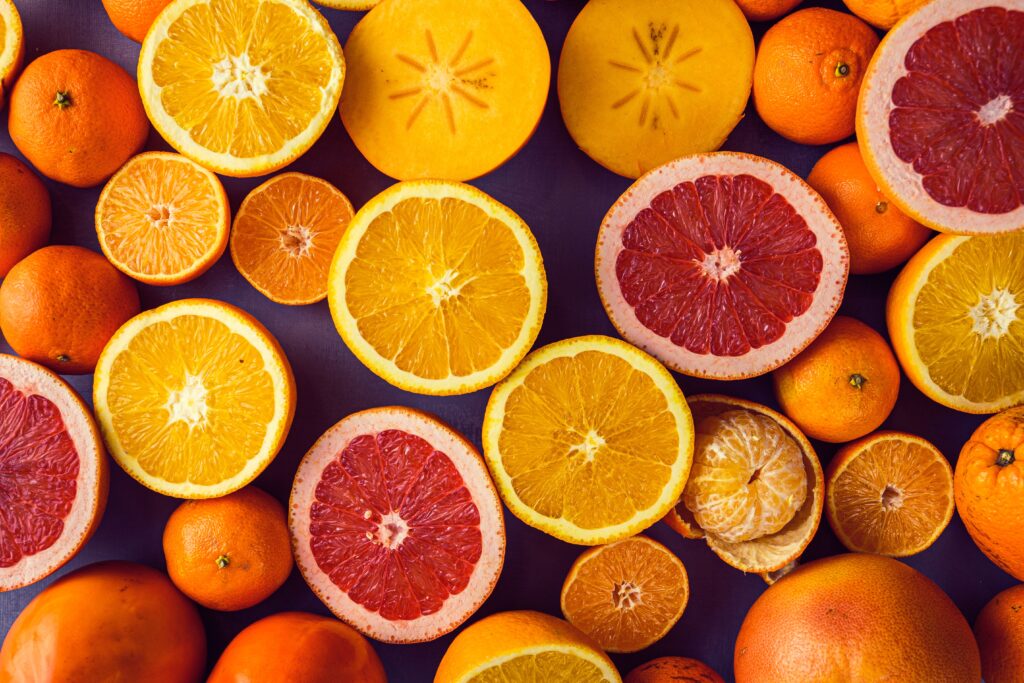
Hot days can change the way your body feels. A morning walk may seem more demanding, an afternoon outdoors can leave you tired, and a busy travel schedule may make it harder to maintain your usual wellness habits. Reaching for water is an important first step, but summer hydration is not limited to what you drink.
Water-rich foods can contribute to daily fluid intake while also providing vitamins, minerals, fiber, carbohydrates, and plant compounds.
At Folium pX, we believe consistency matters more than extreme routines. Hydration, whole foods, antioxidants, movement, and recovery all work best as parts of a broader lifestyle. This guide explores how to build hydration into your meals, choose antioxidant-rich summer foods, and support everyday energy and cellular health without making your routine complicated.
Key Takeaways
- Water is the foundation of summer hydration, but water-rich foods can also contribute to your daily fluid intake.
- Berries, watermelon, citrus fruits, cucumbers, tomatoes, and leafy greens provide fluid alongside vitamins, minerals, fiber, and plant compounds.
- Balanced meals that combine hydrating produce, protein, fiber-rich carbohydrates, and healthy fats can support steady daily energy.
- Antioxidant-rich foods contribute to a varied diet and support the body’s natural antioxidant defenses as part of a broader wellness routine.
- Folium pX can complement healthy habits centered on hydration, nourishing food, movement, rest, and consistency when used as directed.
Did you know? Many fresh fruits and vegetables contain more than 80 percent water, making them a simple way to add fluid and nutritional variety to summer meals.
What Hydration Really Means
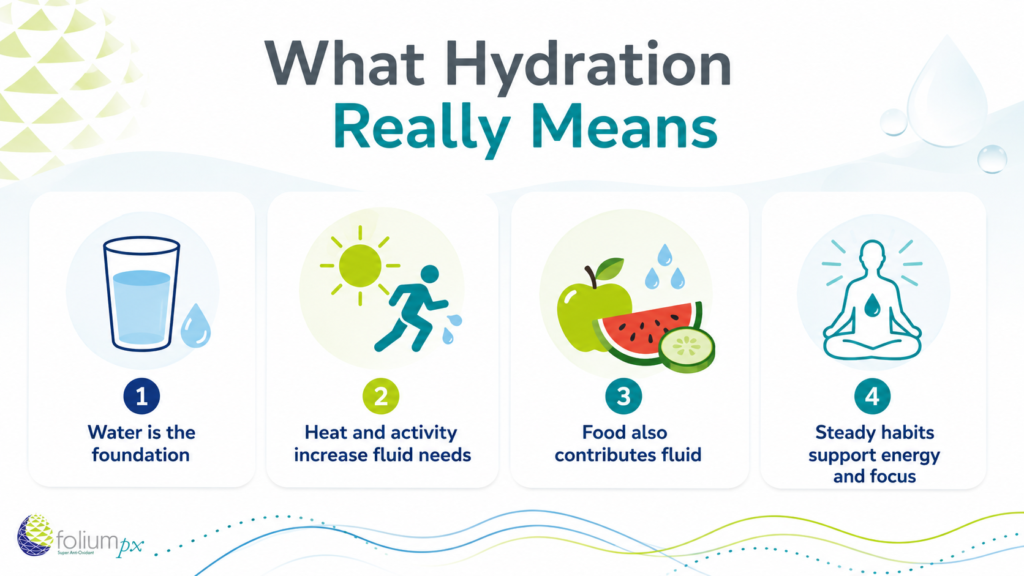 Water Is the Foundation
Water supports many normal functions throughout the body. It helps regulate body temperature, supports circulation and digestion, carries nutrients, assists with waste removal, and contributes to normal physical and mental performance.
There is no single water target that is right for everyone. Needs vary with age, health, diet, activity, climate, pregnancy status, and perspiration.
Rather than forcing a large amount of water at once, aim for steady hydration throughout the day. Keep water nearby, drink with meals, pay attention to thirst, and adjust your intake when you are exercising or spending more time in the heat.
For a deeper look at water and mineral balance, read our guide to why water, electrolytes, and minerals matter during a cleanse.
Why Summer Can Increase Fluid Needs
Warm weather can increase perspiration, especially during exercise, outdoor work, gardening, travel, sports, and long periods in direct sun. Even a relaxed beach day can involve more heat exposure and movement than you realize.
Summer drinks and restaurant meals can fit into a balanced lifestyle, but they should not crowd out water and nourishing food.
Signs that it may be time to review your hydration habits can include thirst, dry mouth, darker urine, headache, fatigue, dizziness, or feeling unusually overheated. These signs can have many causes, so persistent or severe symptoms should be discussed with a qualified healthcare professional.
Food Contributes to Fluid Intake
Drinking water remains essential, but many fruits, vegetables, yogurt, smoothies, and soups also contribute fluid.
Useful summer choices include:
- Watermelon and other melons
- Cucumbers and tomatoes
- Strawberries, blueberries, raspberries, and blackberries
- Oranges, lemons, limes, and grapefruit
- Peaches, plums, cherries, and grapes
- Romaine, spinach, and other leafy greens
- Yogurt and unsweetened tea
- Vegetable soups and chilled soups
They also provide fiber, minerals, vitamins, carbohydrates, and plant compounds.
Hydration Beyond Water: Food, Minerals, and Balanced Meals
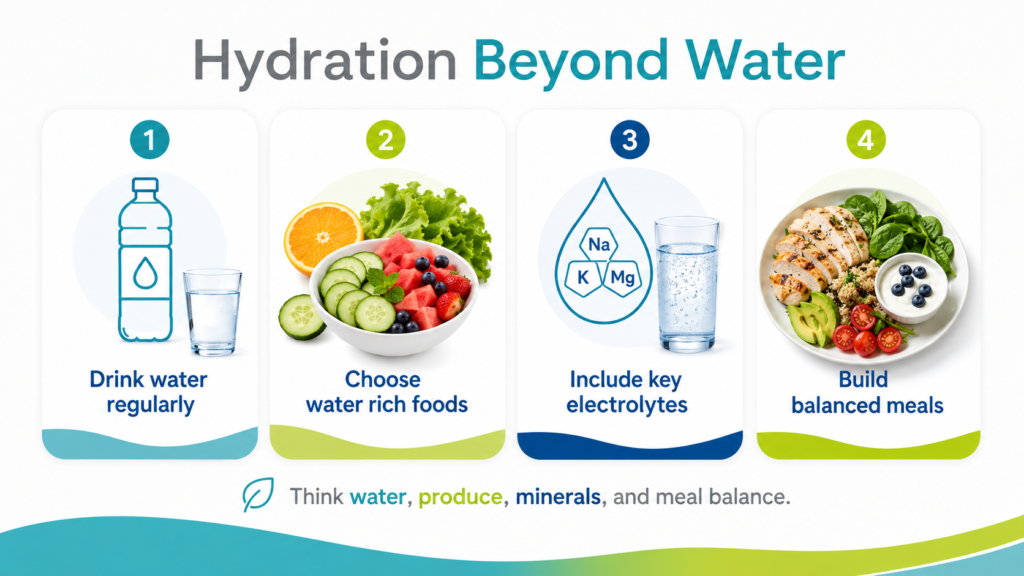
Water-rich foods spread fluid intake across meals and snacks, helping hydration feel more natural.
Whole foods also provide nutrients that plain water does not. Depending on the food, you may receive potassium, magnesium, calcium, vitamin C, fiber, or natural carbohydrates. These nutrients support normal body functions, although no single food provides everything the body needs.
Electrolytes are minerals that help regulate fluid balance, nerve signaling, muscle function, and other normal processes. Common electrolytes include sodium, potassium, chloride, magnesium, calcium, phosphate, and bicarbonate.
Most people can obtain electrolytes through a varied diet. Useful combinations include yogurt with berries, tomato and cucumber salad, banana with nuts, beans with leafy greens, or vegetable soup with protein.
Electrolyte drinks may be useful during prolonged, strenuous activity or several hours of heavy sweating. They are not automatically necessary for every summer day. People with kidney disease, heart conditions, high blood pressure, or medications that affect fluid or mineral balance should seek professional guidance before changing their electrolyte intake.
Our spring detox checklist offers more ideas for building hydration, whole foods, movement, sleep, and mindful supplement use into a practical seasonal routine.
Antioxidant-Rich Foods for a Summer Diet
Antioxidants are substances that can interact with reactive molecules often called free radicals. Free radicals are produced during normal metabolism and can also be influenced by environmental exposures. They are not always harmful, since they take part in normal signaling and immune processes. Problems may occur when reactive activity and the body’s antioxidant defenses become unbalanced.
A varied diet rich in fruits, vegetables, herbs, nuts, seeds, legumes, and tea can provide antioxidant nutrients and plant compounds. These foods should not be described as removing heavy metals, flushing toxins, or preventing disease. Their value comes from supporting an overall pattern of good nutrition.
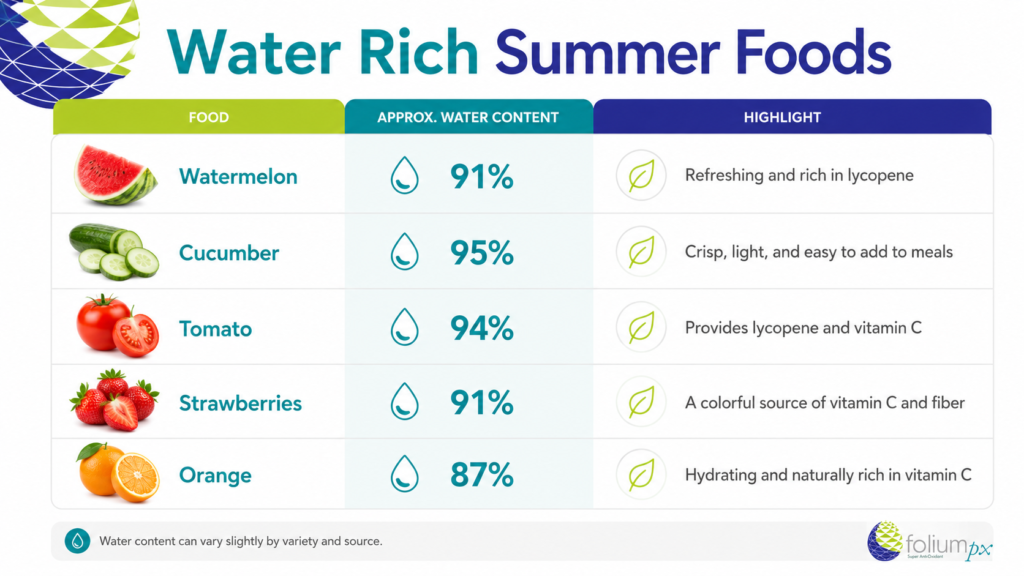
Summer Hydration Food Table
| Food | Approximate water content | Notable nutrients or plant compounds | Easy summer use |
| Cucumber | About 95% | Vitamin K and plant compounds | Salads, wraps, infused water |
| Tomato | About 94% | Lycopene and vitamin C | Salads, sandwiches, chilled soup |
| Watermelon | About 91% | Lycopene and vitamin C | Snacks, fruit bowls, salads |
| Strawberries | About 91% | Vitamin C, fiber, anthocyanins | Yogurt, oatmeal, smoothies |
| Grapefruit | About 88% to 91% | Vitamin C and flavonoids | Fruit bowls, salads, water |
| Orange | About 86% to 88% | Vitamin C and flavonoids | Snacks, salads, yogurt |
| Peach | About 88% | Vitamin C, carotenoids, fiber | Snacks, oatmeal, yogurt |
| Grapes | About 81% | Polyphenols and natural carbohydrates | Snacks, salads, frozen grapes |
Water content can vary by variety, ripeness, and data source. Use this table as a practical comparison rather than a clinical hydration formula.
Berries
Strawberries, blueberries, raspberries, and blackberries provide water, fiber, vitamins, and colorful plant pigments. Add them to yogurt, oatmeal, smoothies, salads, or chia pudding. Pairing berries with yogurt, nuts, or seeds creates a more balanced snack.
Berries are also easy to prepare in advance. Wash and portion them into containers so they are ready for breakfast, work breaks, or outdoor trips. Frozen berries can be useful when fresh varieties are unavailable or likely to spoil before you can use them.
Watermelon
Watermelon is one of summer’s most familiar water-rich foods. It provides fluid, natural carbohydrates, vitamin C, and lycopene. It can be enjoyed on its own, added to a fruit salad, blended into a chilled drink, or combined with cucumber and herbs.
Because watermelon is naturally sweet and easy to eat quickly, consider pairing it with a balanced meal or a protein-rich food when you want a more satisfying snack. Yogurt, cottage cheese, nuts, or seeds can make the snack feel more complete.
Watermelon can also be frozen in cubes and added to water or unsweetened tea. This provides flavor and keeps your drink cool without relying on sugary syrups.
Citrus Fruits
Oranges, lemons, limes, and grapefruit can bring brightness to summer meals. Citrus fruits provide water, vitamin C, and naturally occurring plant compounds. Lemon or lime can also add flavor to water without the added sugar found in many bottled drinks.
Use citrus in salads, yogurt bowls, sparkling water, dressings, marinades, or chilled herbal tea.
Grapefruit and grapefruit juice can interact with certain prescription and over-the-counter medicines. Check medication labels and speak with a pharmacist or healthcare professional when you are unsure.
Whole citrus fruit generally provides more fiber than juice. When possible, enjoy the fruit itself or use small amounts of juice to add flavor to water and meals.
Cucumbers and Tomatoes
Cucumbers and tomatoes are easy additions to salads, sandwiches, grain bowls, wraps, and chilled soups. Their high water content makes them useful for summer meals, while their mild flavors pair well with herbs, beans, whole grains, eggs, fish, poultry, and plant-based proteins.
Tomatoes contain lycopene, a naturally occurring carotenoid. Cucumbers add crunch, volume, and fluid without making a meal feel heavy.
A simple tomato and cucumber salad can be prepared with fresh herbs, olive oil, and a small amount of seasoning. It can be served alongside beans, eggs, fish, poultry, tofu, or a whole-grain dish.
Leafy Greens and Fresh Herbs
Romaine, spinach, arugula, parsley, mint, cilantro, and basil can help create flavorful summer meals. Leafy greens contribute water, fiber, vitamins, and minerals, while fresh herbs add flavor that may reduce the need for heavy sauces.
Use them in salads, wraps, grain bowls, smoothies, chilled soups, or herb-infused water.
Mint, basil, and citrus can make plain water more appealing when you want variety without added sugar. Herbs can also make simple meals feel more satisfying, which may help you rely less on highly processed dressings and sauces.
Wash leafy greens carefully and store them properly so they remain fresh. Prepping a container of washed greens can make it easier to add them to meals throughout the week.
Grapes, Cherries, Peaches, and Plums
Summer fruits are convenient sources of fluid, natural carbohydrates, fiber, vitamins, and plant compounds. Grapes can be frozen for a simple snack. Peaches and plums work well in yogurt, oatmeal, or salads. Cherries can be paired with nuts or added to a whole-grain breakfast.
Grapes and grape seed extract are not interchangeable. Whole grapes provide water, fiber, and naturally occurring nutrients, while an extract is a concentrated ingredient with a different composition and serving size.
These fruits are easy to carry during travel or outdoor activities, but they should be washed and stored at safe temperatures. Pairing fruit with protein or healthy fat can create a more satisfying snack than fruit alone.
Colorful Vegetables
Bell peppers, broccoli, carrots, beets, and red cabbage can add variety to a summer plate. Different colors often reflect different plant pigments and nutrient profiles, which is why dietary variety matters.
You do not need to follow a complicated color system. A practical goal is simply to rotate the fruits and vegetables you eat rather than relying on the same one or two choices every day.
Try adding sliced bell peppers to wraps, shredded cabbage to salads, roasted beets to grain bowls, or broccoli to a chilled pasta salad. Preparing vegetables in advance can make them easier to choose when you are hungry or short on time.
Nuts, Seeds, Yogurt, and Unsweetened Tea
Nuts and seeds are not especially water-rich, but they add protein, healthy fats, fiber, and minerals to meals built around hydrating produce. Yogurt can contribute fluid and protein, while unsweetened tea can provide another beverage option.
A balanced summer snack might combine berries, yogurt, and seeds, or peaches with nuts and water.
Unsweetened green tea and herbal tea can be served chilled with mint, lemon, or berries. Watch your caffeine intake if caffeinated tea affects your sleep, causes discomfort, or conflicts with medical guidance.
How Hydration and Balanced Food Choices Relate to Energy
Hydration is closely connected to how you feel during the day. When you are not drinking enough, you may notice tiredness, headache, reduced concentration, mood changes, or difficulty coping with heat. These symptoms are not specific to dehydration, and persistent fatigue should not be dismissed as a simple need for more water.
Food quality also matters. A meal that combines water-rich produce, protein, fiber-rich carbohydrates, and healthy fats is more complete than a sweetened drink or fruit alone.
Balanced summer meals might include Greek yogurt with berries and oats, tomato and avocado on whole-grain toast, a leafy green grain bowl with beans, or chilled vegetable soup with a protein-rich side.
Sweetened coffees, sodas, frozen drinks, and energy drinks can add large amounts of sugar and calories. They may also replace water or more nutrient-dense foods. You do not need to avoid every sweet drink, but choosing water or unsweetened tea more often can create a steadier routine.
Energy is influenced by many factors, including sleep, food intake, stress, health conditions, medications, and physical activity. Hydration and balanced meals can support daily wellness, but they are not a cure for unexplained fatigue.
It may help to observe when your energy changes. For example, notice whether you regularly skip lunch, go several hours without water, or depend on sugary drinks when the afternoon arrives. Identifying patterns can help you make practical adjustments without adopting a restrictive routine.
Free Radicals, Antioxidants, and Cellular Health
Free radicals are reactive molecules formed through normal processes in the body. Exercise, metabolism, immune activity, and exposure to environmental factors can all influence their production.
The body has its own antioxidant defense systems. Nutrients and plant compounds from food can support this broader system, but the relationship is not as simple as one antioxidant neutralizing every harmful molecule.
Oxidative stress describes an imbalance between reactive molecules and the body’s ability to regulate them. This concept is important in cellular biology, but it should not be used to promise that one food or supplement will prevent damage, reverse aging, or eliminate disease risk.
A realistic approach to cellular health includes:
- Eating a varied, nutrient-dense diet
- Drinking enough water for your personal needs
- Sleeping consistently
- Staying physically active
- Using appropriate sun protection
- Managing stress
- Avoiding tobacco
- Limiting excessive alcohol
- Following medical advice for existing conditions
Antioxidant-rich foods fit into this larger pattern. Their role is to contribute nutrition and plant compounds within a balanced lifestyle, not to function as a stand-alone treatment.
Cellular wellness is supported by patterns that continue over time. One healthy meal cannot make up for months of poor sleep, just as one indulgent meal does not erase an otherwise balanced routine. Focus on habits you can repeat.
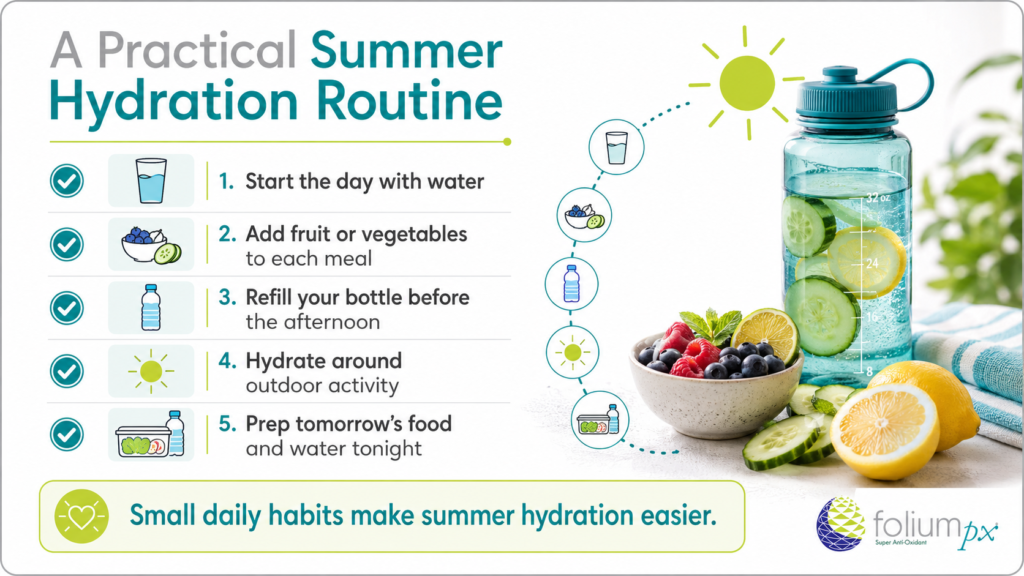
A Practical Summer Hydration Routine
Morning
Begin with water and build breakfast around fluid, protein, and fiber. Try yogurt with berries and oats, a smoothie with greens and seeds, or whole-grain toast with tomato and eggs. Fill a reusable bottle before leaving home.
If you exercise early, consider your activity level, temperature, perspiration, and personal health needs. Avoid beginning a long or strenuous session after going many hours without fluids.
Midday
Lunch is a good opportunity to add several water-rich foods at once. A salad, grain bowl, wrap, or chilled soup can include cucumber, tomato, leafy greens, herbs, beans, and fruit.
Drink water with your meal and refill your bottle before the afternoon. This simple step can prevent long gaps when work or errands become busy.
When eating away from home, look for simple ways to add produce. Ask for a side salad, choose fruit as part of the meal, or add tomato, cucumber, and greens to a sandwich.
Before and After Outdoor Activity
Begin exercise or outdoor work adequately hydrated. Bring water when you expect to spend extended time in the heat, and drink regularly rather than waiting until you feel extremely thirsty.
After prolonged activity, combine fluid with a balanced snack or meal. If you have been sweating heavily for several hours, electrolyte needs may be different from those of a normal day. Use professional guidance when health conditions or medications affect your fluid balance.
Move to a cooler environment and seek medical help if you develop severe weakness, confusion, fainting, vomiting, or other serious symptoms during heat exposure.
Evening
Choose a dinner with vegetables, protein, fiber-rich carbohydrates, and healthy fats. Continue drinking according to thirst and personal needs, but avoid forcing large amounts of water immediately before bed.
Prepare fruit, vegetables, and water for the next day. Small evening preparations can make healthy choices easier when mornings are busy.
Sleep is also part of a balanced summer wellness routine. A cool, dark sleeping environment and a consistent bedtime may help support recovery after active days.
Try a Seven-Day Summer Color Challenge
For one week:
- Add one water-rich fruit or vegetable to every meal.
- Choose a different produce color each day.
- Replace one sweetened beverage with water or unsweetened tea.
- Pair fruit with protein, fiber, or healthy fat.
- Notice your hydration habits, afternoon energy, and meal consistency.
This is a habit-building exercise, not a medical test. The goal is to make hydration and dietary variety easier to maintain.
How Folium pX Fits Into a Summer Wellness Routine
Food and water form the foundation of a healthy summer routine. Supplements should complement those habits rather than replace them.
Folium pX is our plant-based nutraceutical created with plants, herbs, and flowers. Our formula highlights pine-derived ingredients and grape seed extract and is positioned for toxic heavy metals, full body detox, and free radicals support.
We believe Folium pX works best within a broader routine that includes hydration, mineral-rich foods, antioxidants, movement, rest, and consistency. Learn more about the formula on our About Folium pX page.
Use Folium pX only as directed. Our How To Guide provides current instructions, including timing guidance for Folium pX, Folium Relax, and Folium Immuno. You can also review our frequently asked questions for additional product information.
Consult a qualified healthcare provider before beginning a new supplement, especially if you are pregnant, nursing, taking medication, or managing a medical condition. Folium products are not intended to diagnose, treat, cure, or prevent disease. Results may vary.
Build Hydration Into Every Meal
Summer hydration starts with water, but it does not have to end there. Water-rich fruits and vegetables can add fluid, fiber, vitamins, minerals, and naturally occurring plant compounds to your day. Balanced meals can help you stay nourished, while steady habits make it easier to maintain your routine through heat, travel, exercise, and changing schedules.
Start with one practical step. Add a colorful, water-rich fruit or vegetable to your next meal and keep water within reach throughout the day. Over time, these simple choices can become part of a more consistent approach to hydration, energy, and cellular wellness.
Folium pX can complement this broader routine when used as directed. Explore Folium pX products and continue building your wellness plan around food, hydration, rest, movement, and thoughtful daily choices.
Further Reading
- Using Food to Stay Hydrated: Harvard Health explains how fruits, vegetables, yogurt, soups, smoothies, and other foods can contribute to daily fluid intake.
- About Water and Healthier Drinks: The CDC outlines the role of water in preventing dehydration and offers practical guidance for replacing sugary beverages with water.
- Water, Hydration and Health: This scientific review examines water intake, fluid regulation, energy intake, physical performance, and other aspects of hydration and health.
- Do You Need Extra Electrolytes?: Harvard Health discusses when electrolyte drinks may be useful and why they are not necessary for every activity or summer day.
- Grapefruit Juice and Some Drugs Don’t Mix: The FDA explains how grapefruit can change the way certain prescription and over-the-counter medicines work.