Microplastics and Your Health: The Emerging Toxin You Can’t Ignore
The Plastic Exposure Most People Never Think About
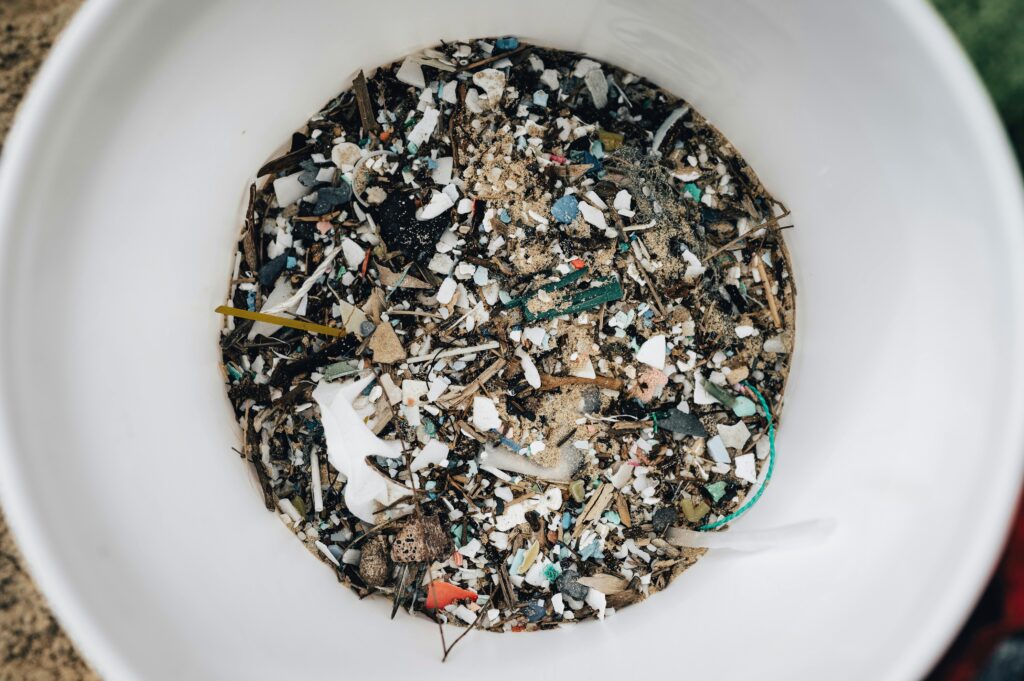
Microplastics are no longer confined to polluted shorelines or industrial waste. They are now part of daily life, present in the water we drink, the food we eat and even the air we breathe. These tiny fragments of plastic, often invisible to the naked eye, have become so widespread that complete avoidance is almost impossible.
Scientific research has confirmed that microplastics are entering the human body. They have been detected in blood, lungs and even the placenta. This has raised important questions about what long-term exposure might mean for human health. While the science is still developing, the fact that these particles are accumulating in the body has understandably attracted global attention.
At Folium pX, we believe in taking a balanced and informed approach. Rather than alarm, the focus should be on understanding exposure, supporting the body’s natural systems and making practical changes where possible. This article explores what microplastics are, how they interact with the body and how you can support your overall wellbeing in a world where environmental exposure is increasingly difficult to avoid.
Key Takeaways
- Microplastics are present in water, food and air, making daily exposure difficult to avoid
- Scientists have detected microplastics in the human body, including blood and lungs
- Research into health effects is ongoing, with focus on inflammation and oxidative stress
- Small lifestyle changes can help reduce exposure over time
- Supporting overall wellbeing through nutrition, sleep and balance remains essential
Did you know? Microplastics have even been detected in human placental tissue, highlighting just how widespread exposure has become.
What Are Microplastics?
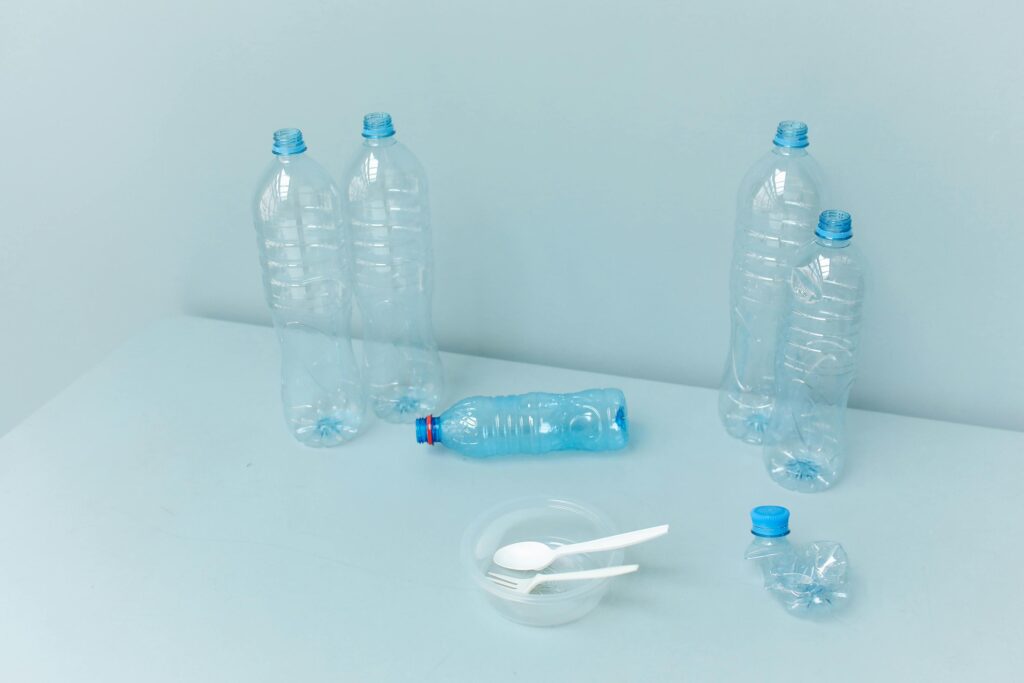
Microplastics are very small plastic particles, typically defined as being less than 5 millimetres in size. They originate from a wide range of sources and can be broadly divided into two categories.
Primary Microplastics
These are manufactured to be small. They are commonly used in industrial processes, cosmetics or as microbeads in certain products.
Secondary Microplastics
These form when larger plastic items such as bottles, bags or packaging break down over time due to sunlight, friction and environmental exposure.
As plastic production has increased globally, so too has the volume of microplastics in the environment. These particles are now found in oceans, rivers, soil and the atmosphere. Their size allows them to travel easily and persist for long periods.
Why They Are So Widespread
- Plastic does not biodegrade in the traditional sense
- It fragments into smaller particles over time
- It is used extensively in packaging, textiles and consumer goods
- Waste management systems are often unable to fully contain it
The result is a level of environmental presence that makes microplastic exposure a part of modern living.
Where Everyday Exposure Comes From

Microplastics can enter daily life through multiple routes, many of which are difficult to avoid entirely.
Common Sources of Exposure
- Drinking water, including both bottled and tap water
- Food, particularly seafood and processed items
- Airborne particles in indoor and outdoor environments
- Household dust
- Synthetic clothing such as polyester and nylon
- Food packaging and storage materials
Main Pathways Into the Body
- Ingestion through food and drink
- Inhalation through air and dust
The table below summarises key exposure routes:
| Source | How Exposure Happens | Frequency of Exposure |
| Drinking water | Consumption of contaminated water | Daily |
| Food packaging | Transfer of particles to food | Frequent |
| Air and dust | Breathing in particles | Constant |
| Synthetic textiles | Fibre shedding into the air | Daily |
| Processed foods | Contact during production | Regular |
This level of exposure highlights why the topic has become so relevant to everyday health discussions.
What Scientists Have Found in the Human Body So Far
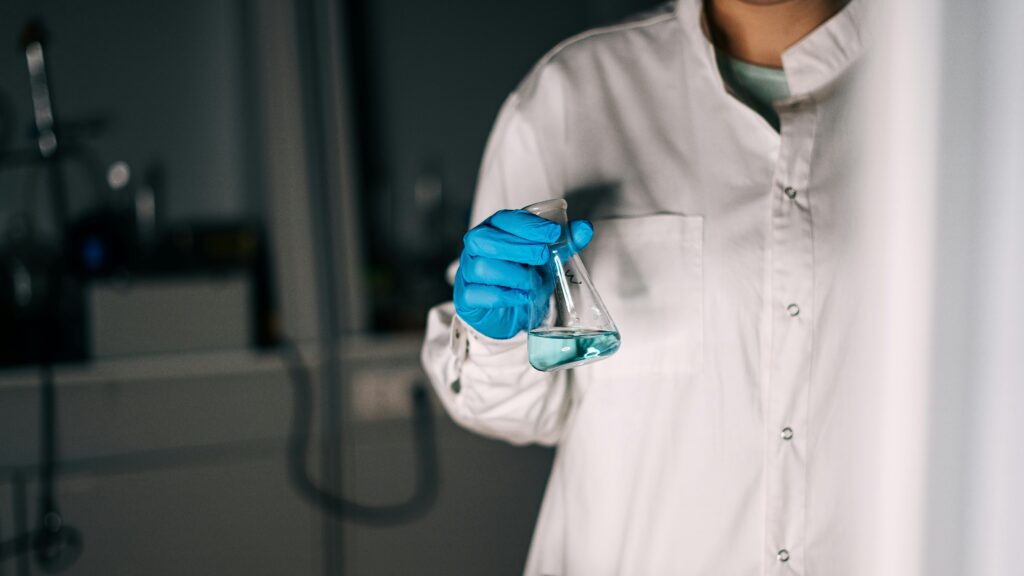
Researchers have now confirmed that microplastics can be detected in several parts of the human body. These findings are still relatively new, but they are consistent across multiple studies.
Where Microplastics Have Been Detected
- Blood
- Lungs
- Digestive system
- Faeces
- Placental tissue
It is important to note that detection does not automatically mean harm. The presence of microplastics in the body shows exposure, but it does not yet fully explain how these particles interact with biological systems over time.
What This Means
- Microplastics can cross certain biological barriers
- They may accumulate depending on exposure levels
- The long-term effects are still being studied
The current scientific consensus is cautious. More research is needed to understand the full implications, particularly regarding long-term health outcomes.
Why Researchers Are Concerned About Health Effects
Although the evidence is still developing, researchers are exploring several ways in which microplastics could influence health.
Areas of Scientific Interest
- Oxidative stress
- Inflammation
- Cellular interactions
- Immune system responses
- Hormonal pathways
Laboratory studies suggest that microplastics may interact with cells and tissues, potentially influencing biological processes. Some particles can also carry other environmental substances, which adds another layer of complexity.
Important Context
- Human studies are still limited
- Effects may depend on size, type and exposure level
- Not all microplastics behave in the same way
For this reason, it is important to approach the topic with balance. The emerging evidence justifies attention and further study, but it does not support exaggerated claims.
Microplastics, Oxidative Stress and the Body’s Defences

Oxidative stress is a natural process that occurs when there is an imbalance between free radicals and antioxidants in the body. Free radicals are unstable molecules that can affect cells if not properly managed.
Environmental exposures, including pollutants, are being studied for their potential role in increasing oxidative stress. This is one reason why antioxidant support is often discussed in the context of modern living.
Why This Matters
- Oxidative stress is linked to normal ageing processes
- It can influence energy levels and resilience
- The body relies on antioxidants to maintain balance
Supporting the Body Naturally
- Eating a diet rich in fruits and vegetables
- Staying well hydrated
- Maintaining good sleep patterns
- Supporting general antioxidant intake
At Folium pX, we focus on plant-based formulations designed to support the body’s natural balance, particularly in environments where exposure to external stressors is increasing.
Can You Reduce Your Exposure?
Completely avoiding microplastics is not realistic, but there are practical steps that may help reduce exposure.
Simple Changes You Can Make
- Use filtered water where possible
- Avoid heating food in plastic containers
- Choose glass or stainless steel storage options
- Reduce consumption of heavily packaged foods
- Ventilate indoor spaces regularly
- Opt for natural fibres such as cotton or wool
A Practical Approach
The goal is not perfection, but reduction. Small, consistent changes can make a meaningful difference over time without creating unnecessary stress or inconvenience.
Supporting General Wellness in a High-Exposure World
Environmental exposure is now a normal part of life, which makes overall wellness more important than ever. Supporting the body’s natural systems can help maintain balance in the face of everyday challenges.
Key Areas to Focus On
- Nutrition
- Hydration
- Sleep
- Physical activity
- Stress management
The Role of Plant-Based Support
A diet rich in plant compounds provides natural antioxidants and nutrients that contribute to overall wellbeing. In some cases, people may choose to complement this with targeted supplementation.
At Folium pX, our approach is centred on natural ingredients that work alongside a healthy lifestyle rather than replacing it.
Folium pX’s Three-Product Approach
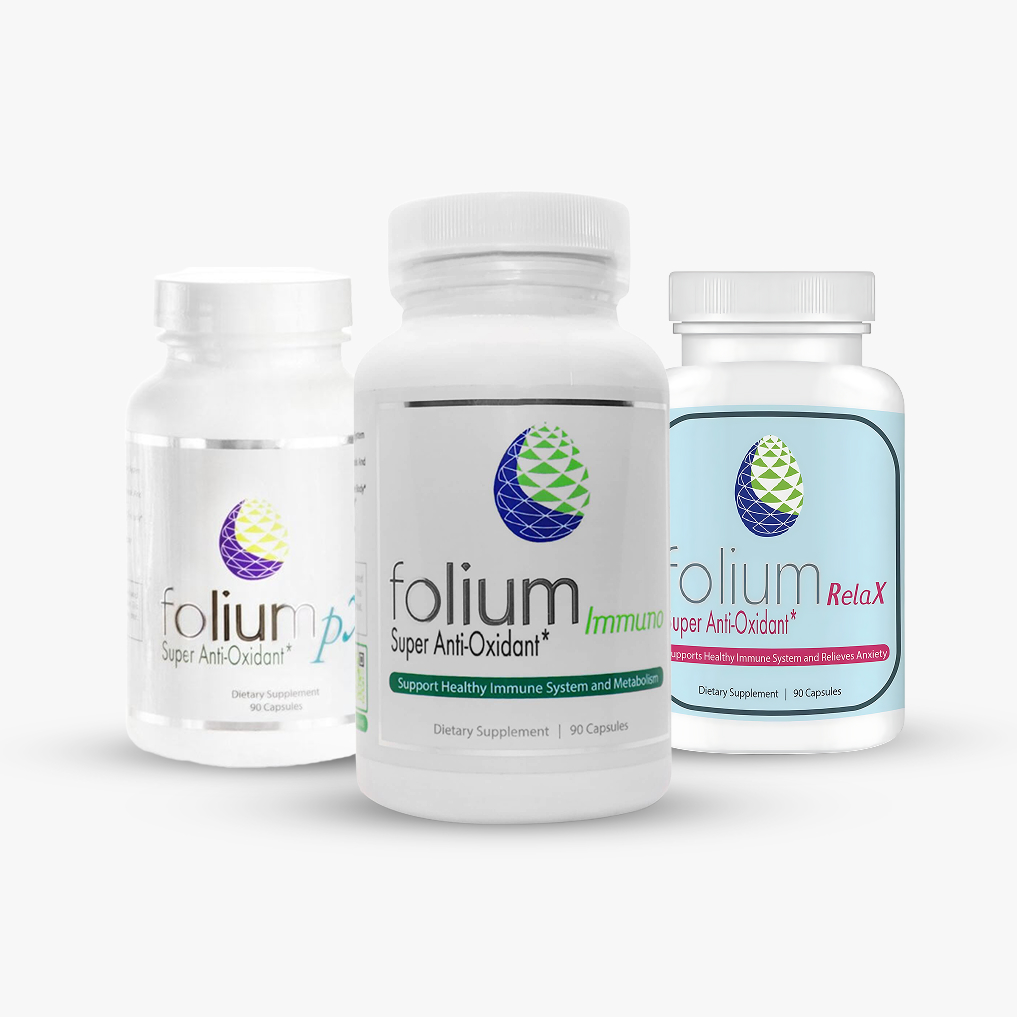
1. Folium pX
Explore: https://foliumpx.com/product/folium-px-immune-system-booster-support/
Folium pX is formulated as an immune system booster support supplement, combining plant-based ingredients such as pine bark extract and grape seed extract. These ingredients are commonly associated with antioxidant properties.
Within a balanced lifestyle, this product can be considered by those looking to support their body’s natural defences and overall wellbeing.
2. Folium Immuno
Explore: https://foliumpx.com/product/folium-immuno-inflammation-support-supplement/
Folium Immuno is presented as an inflammation support supplement. It includes a blend of botanical ingredients such as turmeric, ginger, green tea and pomegranate.
This formulation aligns with a broader approach to supporting immune function and maintaining balance in the body.
3. Folium Relax
Explore: https://foliumpx.com/product/folium-relax-sleep-supplement-support-relaxation/
Folium Relax is designed to support relaxation, sleep and mood. Rest and recovery play an essential role in overall health, particularly in environments where stress levels may be elevated.
Supporting sleep and relaxation can be an important part of maintaining resilience and wellbeing.
A Holistic Perspective
Rather than focusing on a single solution, we believe in a combined approach that includes:
- Balanced nutrition
- Healthy lifestyle habits
- Plant-based support where appropriate
Our products are designed to complement these foundations.
What We Still Do Not Know
Microplastics remain an area of active research, and there are still important questions to answer.
Current Knowledge Gaps
- Long-term effects in humans
- Differences between particle types
- Impact of cumulative exposure
- Interaction with other environmental factors
Scientific understanding will continue to evolve. For now, awareness and practical action are the most sensible approach.
Conclusion: Why This Topic Deserves Attention Now
Microplastics are part of modern life, and exposure is likely to remain a reality for the foreseeable future. While research is ongoing, the presence of these particles in the human body highlights the importance of paying attention to environmental factors that influence health.
Taking steps to reduce exposure where possible, while supporting overall wellbeing through nutrition, lifestyle and plant-based supplementation, offers a balanced way forward.
Explore the Folium pX range to support your everyday wellbeing with plant-based formulations designed to complement a balanced lifestyle.
Frequently Asked Questions (FAQ)
1. What are microplastics in simple terms?
Microplastics are extremely small pieces of plastic, usually less than 5 millimetres in size. They are created either intentionally for use in products or through the breakdown of larger plastic items over time.
2. How do microplastics enter the human body?
Microplastics can enter the body in two main ways:
- Ingestion through food and drinking water
- Inhalation through airborne particles and dust
Both routes are common in everyday life.
3. Are microplastics harmful to human health?
Research is still ongoing. Scientists have found microplastics in the human body, but the long-term health effects are not yet fully understood. Current studies are exploring possible links to inflammation, oxidative stress and immune responses.
4. Can the body remove microplastics naturally?
The body has natural processes for eliminating waste, mainly through the liver, kidneys and digestive system. However, it is not yet clear how effectively microplastics are removed or whether some may accumulate over time.
5. Is it possible to completely avoid microplastics?
No, complete avoidance is not realistic due to how widespread plastic is in the environment. However, you can reduce exposure by making practical lifestyle choices such as filtering water and limiting plastic use.
6. What are the easiest ways to reduce exposure?
Some simple steps include:
- Using a water filter
- Avoiding heating food in plastic containers
- Choosing glass or stainless steel over plastic
- Reducing processed and heavily packaged foods
- Wearing natural fibres where possible
7. What role do antioxidants play in overall health?
Antioxidants help the body manage free radicals, which are unstable molecules produced during normal processes and environmental exposure. Supporting antioxidant intake through diet and lifestyle can contribute to overall wellbeing.
8. How does Folium pX fit into a wellness routine?
Folium pX products are designed to complement a balanced lifestyle. They focus on supporting areas such as immune function, inflammation balance and relaxation using plant-based ingredients.
9. Which Folium product should I choose?
This depends on your personal goals:
- Folium pX is positioned for immune system support
- Folium Immuno focuses on inflammation support
- Folium Relax supports sleep, calm and relaxation
You may choose one or combine them as part of a broader wellness routine.
10. Can Folium products remove microplastics from the body?
Folium products are not designed to remove microplastics. They are intended to support general wellbeing, including antioxidant intake, immune function and relaxation, as part of a healthy lifestyle.
11. Why is this topic becoming more important now?
Microplastics have become more visible in scientific research due to improved detection methods. As awareness grows, more people are looking for ways to understand exposure and support their health in a balanced and informed way.
12. What is the most practical takeaway from this article?
Focus on what you can control:
- Make small changes to reduce exposure
- Maintain a healthy lifestyle
- Support your body with good nutrition and rest
A balanced approach is the most sustainable way to navigate modern environmental challenges.
Further Reading
- Microplastics in Drinking Water: A World Health Organization overview of microplastics, their sources and what is currently known about human exposure
- Microplastics and Human Health Research: A National Institutes of Health summary of current research into how microplastics interact with the body
- Microplastics and Health: Emerging Evidence: A BMJ article examining current scientific understanding and gaps in knowledge around microplastics and health
- Environmental and Biological Effects of Microplastics: A scientific review exploring how microplastics interact with biological systems and the environment