
The Real Source of Sustainable Energy
Energy is not just about caffeine, calories, or willpower. True, lasting vitality begins inside your cells. At the center of that process are mitochondria, the structures responsible for converting nutrients into usable cellular energy. When mitochondria function efficiently, you experience steady stamina, mental clarity, and resilience. When they are burdened, fatigue and brain fog often follow.
Modern living places constant stress on cellular systems. Environmental toxins, processed foods, oxidative stress, and chronic inflammation can increase the workload placed on detoxification pathways. Over time, that burden may interfere with optimal mitochondrial performance.
At Folium pX, we focus on supporting the body’s natural cleansing processes while delivering powerful plant-based antioxidants. Our approach is rooted in the understanding that detox support and mitochondrial health are interconnected. When the body’s systems are supported at the cellular level, sustainable energy becomes possible.
This article explores how mitochondria generate energy, how detoxification influences cellular efficiency, and how targeted antioxidant support can help power your cells for long-term vitality.
Key Takeaways
- Mitochondria produce ATP, the fuel that powers nearly every function in the body.
- Oxidative stress can interfere with mitochondrial efficiency and reduce steady energy.
- Detoxification is an ongoing biological process involving the liver, kidneys, gut, and lymphatic system.
- Antioxidants from plant sources such as pine and grape extracts help neutralize free radicals.
- Supporting detox pathways and cellular balance may contribute to more consistent daily vitality.
Did you know that mitochondria generate energy through oxygen-based reactions, which makes them especially sensitive to oxidative stress? Share your thoughts below.
Mitochondria 101: How Your Cells Produce Energy

Mitochondria are often called the power centers of the cell because they produce adenosine triphosphate, or ATP. ATP is the primary fuel used for nearly every biological function, from muscle contraction to brain signaling.
How ATP Is Made
Inside mitochondria, nutrients from food are converted into ATP through a process known as cellular respiration. This process depends on:
- Oxygen
- B vitamins and minerals
- Healthy mitochondrial membranes
- Functional enzymes
When mitochondria are functioning efficiently, ATP production is steady and reliable. When oxidative stress or toxin burden interferes, ATP output may decline.
Signs Often Associated With Reduced Cellular Energy
While fatigue can have many causes, individuals frequently report:
- Low afternoon energy
- Brain fog
- Reduced exercise endurance
- Slower recovery
- General sluggishness
Mitochondria are sensitive to oxidative stress. Reactive oxygen species are natural byproducts of metabolism, but excessive amounts can disrupt mitochondrial membranes and enzymes. Antioxidant defenses are essential to maintaining balance.
Supporting mitochondria is not about forcing energy. It is about creating the internal conditions that allow cells to perform their natural work efficiently.
Detoxification: A Continuous Cellular Process

Detoxification is not a one-time cleanse. It is an ongoing biological process designed to transform and eliminate unwanted substances.
Primary Detox Pathways
The body relies on multiple systems working together:
- Liver for biotransformation
- Kidneys for filtration
- Digestive tract for elimination
- Lymphatic system for circulation of waste
- Skin and lungs for additional excretion
The liver plays a central role through Phase I and Phase II detoxification pathways, converting fat-soluble compounds into water-soluble forms that can be eliminated.
Why Detox Support Matters
Modern exposure may include:
- Environmental pollutants
- Heavy metals
- Pesticide residues
- Processed food additives
- Chronic stress
As exposure increases, antioxidant demand rises. If detoxification pathways are overwhelmed, individuals may experience symptoms often associated with systemic stress.
At Folium pX, we emphasize supporting the body’s natural detoxification processes rather than overriding them. Plant-based antioxidants can help protect cells while the body performs its built-in cleansing work.
Oxidative Stress: The Link Between Detox and Energy

Oxidative stress occurs when free radicals exceed the body’s antioxidant defenses. Free radicals are unstable molecules that can damage cellular structures, including mitochondria.
How Oxidative Stress Affects Mitochondria
- Disrupts mitochondrial membranes
- Interferes with ATP-producing enzymes
- Increases inflammatory signaling
- Reduces overall cellular efficiency
Because mitochondria generate energy through oxygen-based reactions, they are particularly vulnerable to oxidative damage.
Antioxidants as Cellular Defenders
Antioxidants neutralize free radicals before they can damage cellular components. These compounds are found naturally in:
- Pine bark extracts
- Grape seed extract
- Colorful fruits and vegetables
- Herbal botanicals
Folium pX contains plant-based antioxidants derived from pine and grape sources. According to our product information, these ingredients provide high antioxidant capacity and are positioned to support detox and cellular resilience.
Balancing oxidative stress is one of the foundational steps toward sustainable energy.
Lifestyle Foundations for Mitochondrial Health

Cellular energy depends on daily habits. Supplementation is most effective when paired with foundational practices.
Nutrition for Cellular Support
Focus on:
- Colorful vegetables and fruits rich in polyphenols
- Clean protein sources
- Healthy fats that support membrane integrity
- Adequate hydration
Movement and Mitochondrial Adaptation
Physical activity stimulates mitochondrial biogenesis, the creation of new mitochondria. Effective approaches include:
- Brisk walking
- Resistance training
- Short intervals of higher intensity movement
Sleep and Repair
During sleep, the body performs repair processes and supports detox pathways. Insufficient sleep may increase oxidative stress and reduce resilience.
Stress Management
Chronic stress increases cortisol and may increase free radical production. Strategies include:
- Deep breathing
- Time in nature
- Structured relaxation practices
Small, consistent improvements in daily routines often lead to noticeable shifts in overall energy.
Folium pX: Plant-Based Antioxidant and Detox Support
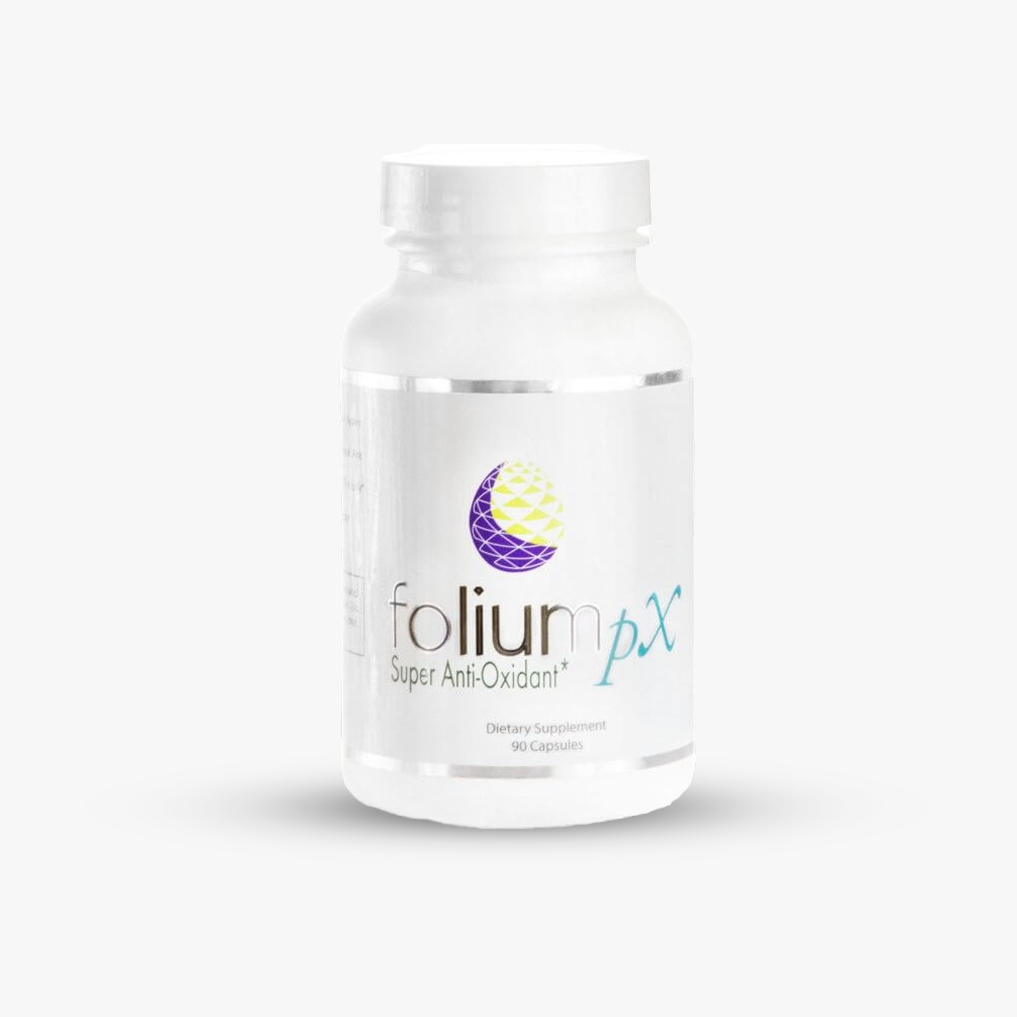
Folium pX is formulated as a plant-based nutraceutical designed to support antioxidant activity and detoxification processes.
Our Botanical Foundation
Folium pX contains:
- Pine-derived compounds
- Grape seed extract
- A proprietary blend of botanical ingredients
These ingredients are known for their high polyphenol and antioxidant content.
Antioxidant Capacity
Polyphenols such as oligomeric proanthocyanidins found in pine and grape sources are studied for their antioxidant properties. Antioxidants help neutralize free radicals, which may reduce oxidative burden on cells.
Detox Load and Sustainable Energy
When detox pathways are supported and oxidative stress is balanced, mitochondria can operate more efficiently.
Conceptual Model
| Factor | Effect on Mitochondria | Energy Impact |
| High oxidative stress | Membrane disruption | Reduced stamina |
| Antioxidant balance | Cellular protection | Steadier energy |
| Poor elimination | Increased burden | Sluggishness |
| Efficient detox pathways | Reduced load | Improved resilience |
This model illustrates how reducing cellular burden may support energy production over time.
Sustainable energy is not about stimulation. It is about maintaining cellular efficiency so that ATP production remains consistent.
Building a Practical Energy Support Plan
A simple framework for supporting mitochondria and detox:
Step 1: Reduce Avoidable Exposures
- Filter drinking water
- Choose whole foods
- Minimize synthetic fragrances and chemicals
Step 2: Support Elimination
- Adequate hydration
- Daily fiber intake
- Regular movement
Step 3: Increase Antioxidant Intake
- Colorful produce
- Herbal teas
- Targeted botanical supplementation such as Folium pX
Step 4: Train Mitochondria
- Consistent physical activity
- Adequate recovery
Consistency is more important than intensity.
What You May Notice Over Time
As cellular systems are supported, individuals often report:
- More stable daily energy
- Fewer afternoon crashes
- Clearer thinking
- Improved exercise tolerance
- Better recovery
Progress is typically gradual. Sustainable energy develops over weeks of consistent support.
Tracking simple metrics such as sleep quality, perceived stamina, and mental clarity can help monitor changes.
Conclusion: Energize the Cell, Support the System
Sustainable energy begins at the cellular level. Mitochondria convert nutrients into the fuel that powers life, and detoxification pathways help maintain a balanced internal environment.
When oxidative stress is reduced and natural cleansing systems are supported, mitochondria are better positioned to perform their essential work.
Folium pX is formulated to provide plant-based antioxidant support aligned with this cellular model. By combining daily lifestyle habits with targeted botanical supplementation, it is possible to create conditions that support long-term vitality.
Energy is not manufactured through stimulation. It is cultivated through cellular balance.
Support your cellular energy naturally with the plant-based antioxidant power of Folium pX. Shop now!
Frequently Asked Questions About Mitochondrial Health and Detox
What is mitochondrial health and why is it important?
Mitochondrial health refers to how efficiently your mitochondria produce ATP, the energy currency used by your cells. When mitochondrial health is supported, the body can maintain steady energy, cognitive clarity, and physical resilience. Because mitochondria are involved in nearly every biological process, protecting them from oxidative stress is essential for sustainable vitality.
How does detoxification affect mitochondrial health?
Detoxification and mitochondrial health are closely connected. The body’s natural detox pathways help process and eliminate unwanted substances. When detox systems are supported and oxidative stress is balanced, mitochondria can operate more efficiently. Reducing cellular burden may help maintain consistent ATP production and steady energy levels.
What causes poor mitochondrial function?
Several factors may influence mitochondrial function, including:
- Oxidative stress
- Environmental toxin exposure
- Poor sleep
- Nutrient deficiencies
- Chronic stress
- Sedentary lifestyle
Supporting antioxidant defenses and natural detox processes can help create a more favorable internal environment for cellular energy production.
What is oxidative stress and how does it impact energy?
Oxidative stress occurs when free radicals exceed the body’s antioxidant defenses. Because mitochondria rely on oxygen-based reactions to generate ATP, they are particularly sensitive to oxidative damage. Excess oxidative stress may interfere with cellular efficiency and contribute to fatigue or sluggishness.
How can antioxidants support mitochondrial health and detox?
Antioxidants neutralize free radicals before they damage cellular structures. Plant-based antioxidants such as polyphenols found in pine and grape extracts are studied for their ability to support cellular balance. By helping reduce oxidative burden, antioxidants may contribute to more stable mitochondrial function and sustained energy.
What is the connection between heavy metals and detox support?
Heavy metals can accumulate in the body over time through environmental exposure. Supporting the body’s natural detox pathways may assist in maintaining balance. Folium pX is positioned as a plant-based nutraceutical designed to support antioxidant activity and the body’s cleansing processes.
Can improving mitochondrial health increase energy naturally?
Mitochondrial health and detox support focus on improving cellular efficiency rather than stimulation. When ATP production is supported at the cellular level, individuals often report more consistent daily energy without sudden crashes.
How long does it take to support mitochondrial health and detox?
Cellular processes require consistency. Improvements in perceived energy may develop gradually over weeks of supporting sleep, nutrition, movement, hydration, and antioxidant balance. Individual responses vary.
What lifestyle habits support mitochondrial health and detox?
Key habits include:
- Eating antioxidant-rich whole foods
- Staying well hydrated
- Engaging in regular physical activity
- Prioritizing restorative sleep
- Minimizing avoidable toxin exposure
Combining daily habits with targeted botanical support may help maintain cellular balance.
What is Folium pX and how does it relate to mitochondrial health and detox?
Folium pX is a plant-based dietary supplement formulated with pine-derived compounds, grape seed extract, and additional botanicals. It is positioned to provide antioxidant support and align with natural detox processes. By supporting antioxidant balance, Folium pX fits within a mitochondrial health and detox approach focused on sustainable energy.
Is Folium pX intended to treat medical conditions?
Folium pX is offered as a dietary supplement and is not intended to diagnose, treat, cure, or prevent disease. It is designed to support natural biological processes related to antioxidant activity and detoxification.
Further Reading
- Antioxidant Supplements: What You Need To Know (NCCIH): A practical overview of antioxidant supplements, what they do, and key safety considerations.
- Dietary Supplements: What You Need to Know (NIH Office of Dietary Supplements): Consumer guidance on supplement labels, quality, safety, and how to use supplements wisely.
- Antioxidants and Cancer Prevention (National Cancer Institute): Clear explanation of free radicals, antioxidants, and what research says about supplements and prevention.
- Oxidative Stress and Aging: A Scientific Overview (Frontiers in Aging Neuroscience): A detailed review of oxidative stress and its role in aging biology and related mechanisms.
- Plant Polyphenols and Human Health (Europe PMC): Review article on dietary polyphenols and their biological activity relevant to antioxidant defenses.