
Heavy metals are present in the modern environment in ways that are often invisible. Over time, repeated low level exposure can lead to accumulation in the body. When this happens, normal biological processes may be disrupted, leading to symptoms that are frequently overlooked or misunderstood.
At Folium pX, we believe education is an essential part of wellness. Understanding the potential warning signs of heavy metal toxicity allows individuals to take informed steps, seek professional evaluation when appropriate, and support overall health through lifestyle and nutritional choices.
This article explores what heavy metal toxicity is, how exposure occurs, common symptoms to watch for, and practical ways to support the body’s natural defense systems.
Key Takeaways
- Heavy metal toxicity can affect multiple body systems, including the brain, digestive system, and energy levels.
- Symptoms are often subtle and may develop gradually, making them easy to overlook.
- Common warning signs include brain fog, persistent fatigue, digestive changes, and unexplained physical discomfort.
- Exposure can come from everyday sources such as water, food, air, and certain environments.
- Professional evaluation is essential when symptoms persist or exposure is suspected.
Did you know? Many symptoms associated with heavy metal toxicity overlap with common health complaints, which is why patterns across multiple systems matter.
What Is Heavy Metal Toxicity
Heavy metal toxicity occurs when certain metals accumulate in the body at levels that interfere with normal physiological functions. Unlike nutrients such as iron or zinc, toxic heavy metals do not serve a beneficial role in human biology.
Some of the most commonly discussed heavy metals include:
- Lead
- Mercury
- Arsenic
- Cadmium
These metals can enter the body through ingestion, inhalation, or skin contact. Once inside, they may bind to tissues and persist for long periods, particularly with repeated exposure.
Toxicity may be acute, following a high level exposure, or chronic, developing gradually over time. Chronic exposure is often harder to recognize because symptoms can be subtle and nonspecific.
Common Sources of Heavy Metal Exposure

Understanding how exposure happens is a key step in prevention. Heavy metals are found throughout the environment and can enter daily life in multiple ways.
Environmental and Household Sources
- Drinking water from aging infrastructure or contaminated groundwater
- Old paint and building materials containing lead
- Soil contamination near industrial or agricultural sites
Food and Dietary Sources
- Large fish such as tuna or swordfish that may contain mercury
- Rice and certain grains grown in arsenic rich soil
- Produce grown in contaminated environments
Occupational and Lifestyle Sources
- Manufacturing, construction, or mining environments
- Tobacco smoke
- Certain imported cosmetics or traditional remedies
Because exposure is often cumulative, individuals may not notice a clear trigger for symptoms.
How Heavy Metals Affect the Body
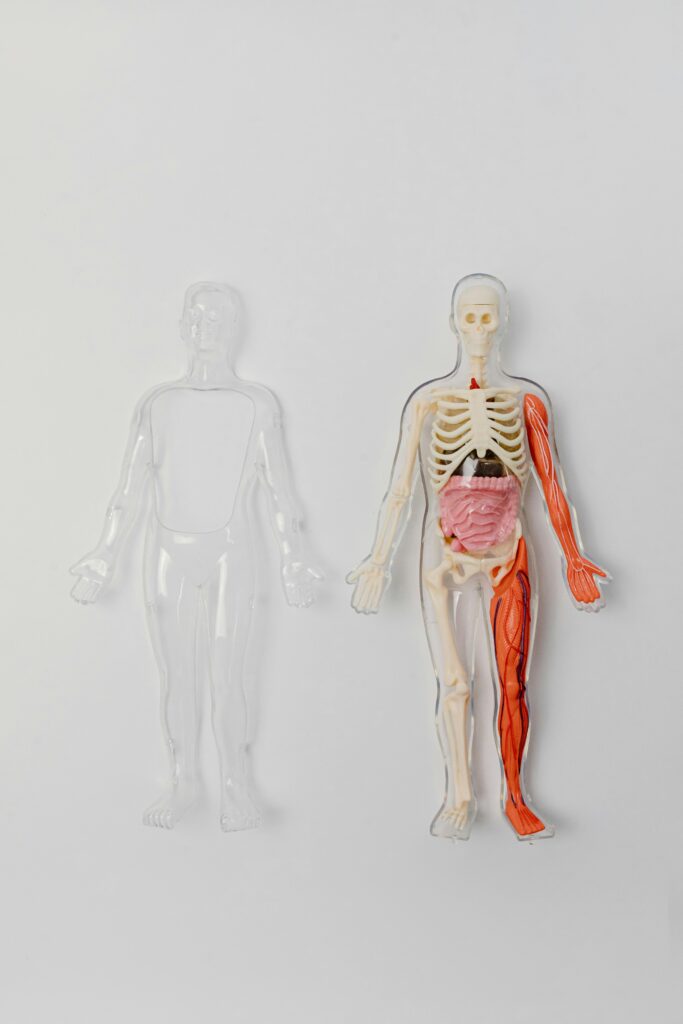
Heavy metals can interfere with the body at the cellular level. They may disrupt enzymes, damage cellular structures, and contribute to oxidative stress. Over time, this can affect multiple organ systems.
The body relies on the liver, kidneys, digestive tract, and immune system to process and eliminate unwanted substances. When these systems are overwhelmed, metals may remain in tissues longer than intended.
Factors that influence how symptoms develop include:
- Type of metal
- Duration of exposure
- Overall health and nutritional status
- Age and life stage
This variability explains why symptoms differ widely between individuals.
Symptoms of Heavy Metal Toxicity

Symptoms of heavy metal toxicity are often systemic, meaning they involve more than one area of the body. The sections below outline common symptom patterns.
Neurological and Cognitive Symptoms
The nervous system is particularly sensitive to heavy metals. Symptoms related to brain and nerve function may include:
- Difficulty concentrating
- Memory challenges
- Brain fog
- Headaches
- Mood changes such as irritability or anxiety
- Sleep disturbances
Because these symptoms are common in modern life, they are frequently attributed to stress or aging rather than possible toxic burden.
Digestive and Metabolic Symptoms
The digestive system plays a central role in processing what enters the body. Heavy metals may irritate or disrupt this system, leading to:
- Nausea
- Abdominal discomfort
- Bloating
- Changes in bowel habits
- Appetite changes
Persistent digestive symptoms without a clear cause may warrant further evaluation.
Fatigue and Low Energy
Ongoing fatigue that does not improve with rest is one of the most frequently reported complaints associated with chronic toxic exposure.
Individuals may notice:
- Low stamina
- Feeling drained despite adequate sleep
- Reduced motivation or resilience
Fatigue often occurs alongside other symptoms, forming a pattern rather than a single isolated issue.
Musculoskeletal Discomfort
Some people experience physical discomfort affecting muscles and joints, including:
- Muscle weakness
- Joint stiffness
- Generalized aches
These symptoms can overlap with many other conditions, which is why context and symptom clustering matter.
Skin, Hair, and Sensory Changes
External signs may also appear, such as:
- Skin irritation or rashes
- Changes in skin tone
- Metallic taste in the mouth
- Hair changes
The skin is one of the body’s elimination pathways, so visible changes may reflect internal stress.
Severe or Acute Symptoms
High level exposure can cause more serious effects that require immediate medical attention, including:
- Confusion or disorientation
- Severe weakness
- Abnormal heart rhythm
- Signs of kidney or liver strain
These symptoms should never be ignored, especially following known exposure.
Symptom Overview by Body System

| Body System | Possible Symptoms |
| Nervous System | Brain fog, memory issues, headaches, mood changes |
| Digestive System | Nausea, bloating, bowel changes |
| Energy Levels | Persistent fatigue, low stamina |
| Musculoskeletal | Joint pain, muscle weakness |
| Skin and Sensory | Irritation, metallic taste |
| Severe Indicators | Organ stress, neurological impairment |
When to Seek Medical Evaluation
Because heavy metal toxicity shares symptoms with many other health conditions, professional evaluation is essential.
Healthcare providers may consider:
- Blood testing for metals such as lead or mercury
- Urine testing to assess elimination
- Additional testing based on exposure history
Children, pregnant individuals, and those with chronic health conditions may be more vulnerable and should seek guidance promptly if exposure is suspected.
Self diagnosis is not recommended.
Supporting Overall Wellness and Reducing Exposure
While medical evaluation is critical when toxicity is suspected, there are practical steps individuals can take to reduce exposure and support general health.
Exposure Reduction Strategies
- Use filtered drinking water when possible
- Be mindful of seafood consumption frequency
- Wash produce thoroughly
- Avoid unnecessary exposure to known contaminants
Lifestyle Support
- Prioritize adequate sleep
- Maintain hydration
- Consume a varied, nutrient dense diet
- Support liver and digestive health
These steps help create a foundation for resilience.
The Role of Antioxidants in Wellness Support
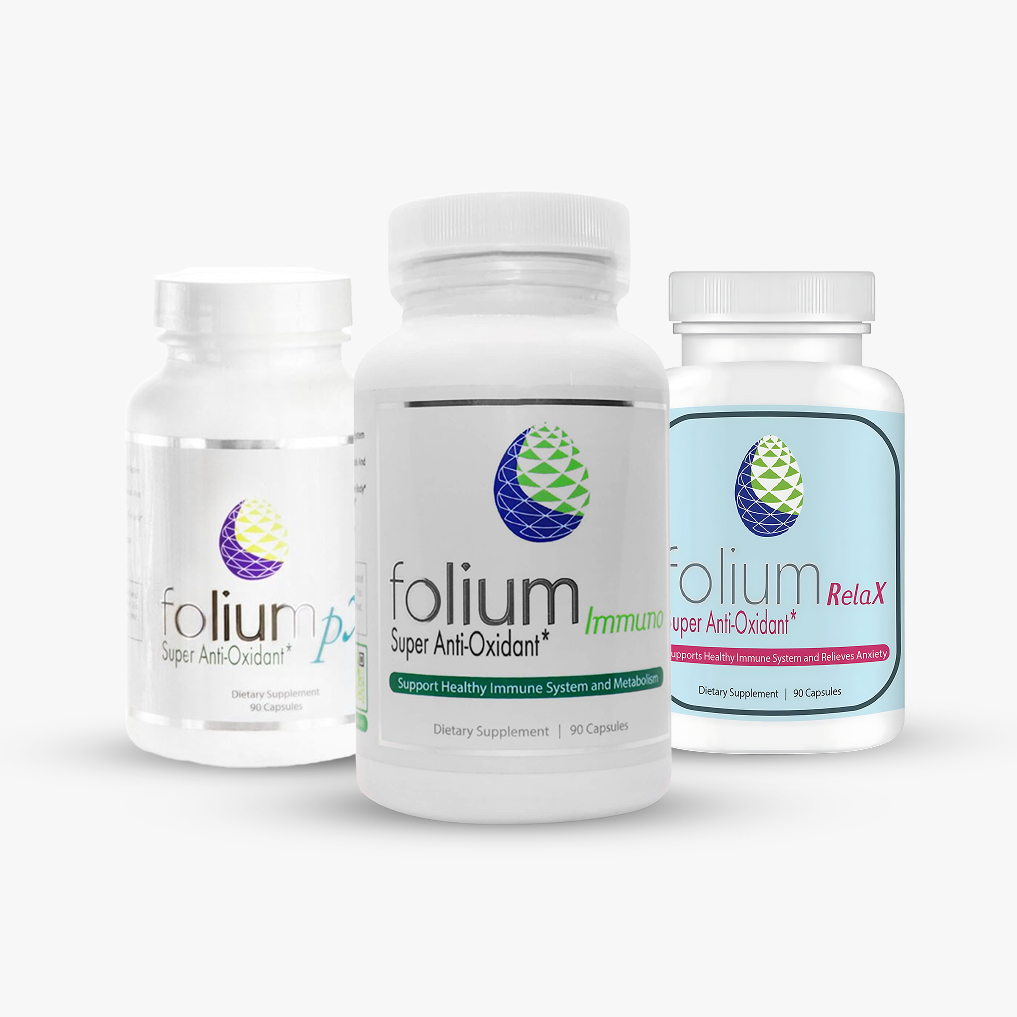
Oxidative stress is one way heavy metals may impact the body. Antioxidants help neutralize free radicals and support cellular health.
Plant based antioxidants are widely studied for their role in supporting normal immune and detox pathways. They do not treat toxicity but may support the body’s natural defenses when used as part of a broader wellness approach.
Where Folium pX Fits
Folium pX is a plant based antioxidant supplement formulated with carefully selected botanical ingredients, including pine bark extract and grape seed extract.
These ingredients are known for their antioxidant properties and are included to support:
- Cellular health
- Immune function
- The body’s natural cleansing processes
Folium pX is positioned as a wellness support supplement, not a medical treatment. The product is used according to labeled directions, and individuals are encouraged to consult a healthcare professional before beginning any supplement regimen.
A Balanced Perspective on Detox Support
No supplement replaces medical care or eliminates the need for professional evaluation. Wellness is best approached through a combination of awareness, prevention, and informed choices.
Recognizing symptoms early, understanding exposure risks, and supporting the body through nutrition and lifestyle are key components of long term health.
Conclusion: Symptoms of Heavy Metal Toxicity
Heavy metal toxicity can present with a wide range of symptoms that are easy to overlook. Patterns involving cognition, digestion, energy, and physical discomfort may signal the need for closer attention.
Education empowers individuals to make informed decisions, seek appropriate evaluation, and support their health proactively. At Folium pX, we believe knowledge and consistency are foundational to wellness.
Support your wellness with informed choices and explore how Folium pX fits into a balanced approach to antioxidant and immune support. Shop now!
Frequently Asked Questions About Heavy Metal Toxicity
What is heavy metal toxicity?
Heavy metal toxicity refers to the accumulation of certain metals in the body at levels that may interfere with normal biological functions. Metals commonly associated with toxicity include lead, mercury, arsenic, and cadmium. Exposure can occur through food, water, air, occupational environments, or contaminated products. Symptoms may develop gradually, especially with long term low level exposure.
What are the most common symptoms of heavy metal toxicity?
Symptoms can vary depending on the type of metal, duration of exposure, and individual health factors. Commonly reported symptoms include:
- Brain fog or difficulty concentrating
- Persistent fatigue
- Digestive discomfort such as nausea or bloating
- Headaches
- Mood changes
- Muscle or joint discomfort
Because these symptoms overlap with many other conditions, professional evaluation is important.
Can heavy metal toxicity cause fatigue and brain fog?
Yes. Fatigue and brain fog are among the most frequently reported symptoms associated with chronic heavy metal exposure. Heavy metals may interfere with cellular energy production and nervous system function, which can affect mental clarity and stamina. These symptoms should be evaluated in the context of overall health and exposure history.
How do people get exposed to heavy metals?
Exposure can happen in several ways, including:
- Drinking water from aging infrastructure
- Consuming certain foods such as large fish or rice
- Living or working near industrial pollution
- Occupational exposure in construction, manufacturing, or mining
- Tobacco smoke or contaminated consumer products
Most people are exposed to small amounts over time rather than a single high dose.
How is heavy metal toxicity diagnosed?
Diagnosis typically involves a healthcare provider reviewing symptoms, exposure history, and ordering appropriate tests. These may include blood tests, urine tests, or other assessments depending on the suspected metal. Self diagnosis is not recommended, as symptoms are nonspecific and testing requires clinical interpretation.
Can heavy metal toxicity affect digestion?
Yes. The digestive system is often involved because it is a primary route of exposure and elimination. Symptoms may include nausea, abdominal discomfort, bloating, constipation, or diarrhea. Digestive symptoms alone do not confirm toxicity but may be part of a broader pattern.
Are children and pregnant individuals more vulnerable to heavy metals?
Certain populations may be more sensitive to heavy metal exposure, including children and pregnant individuals. Developing nervous systems are particularly vulnerable to metals such as lead and mercury. Medical guidance is especially important for these groups if exposure is suspected.
Can diet and lifestyle help reduce heavy metal exposure?
Lifestyle choices can help reduce exposure and support overall health. These include:
- Drinking filtered water
- Being mindful of seafood intake
- Eating a varied diet
- Avoiding known sources of contamination
These steps support general wellness but do not replace medical evaluation or treatment.
What role do antioxidants play in supporting the body?
Antioxidants help protect cells from oxidative stress, which can be increased by environmental factors including toxic exposure. Plant based antioxidants are commonly used to support cellular health and immune function. They are not treatments for heavy metal toxicity but may support the body’s natural defense systems as part of a balanced wellness routine.
What is Folium pX and how does it fit into wellness support?
Folium pX is a plant based antioxidant supplement formulated with botanical ingredients such as pine bark extract and grape seed extract. It is designed to support cellular health, immune function, and the body’s natural cleansing processes. Folium pX is not intended to diagnose, treat, cure, or prevent any disease. Individuals should follow labeled directions and consult a healthcare professional before use.
Can supplements remove heavy metals from the body?
Dietary supplements are not medical treatments for heavy metal poisoning. Medical detoxification, when required, must be supervised by a qualified healthcare provider. Supplements may support overall wellness and antioxidant defenses but should not be used as a substitute for professional care.
When should someone seek medical attention for possible heavy metal exposure?
Medical evaluation is recommended when symptoms are persistent, worsening, or occur after known exposure. Severe symptoms such as confusion, extreme weakness, abnormal heart rhythm, or signs of organ stress require immediate medical attention.
Further Reading
- Heavy Metal Poisoning and Toxicity: A clinical overview of heavy metal exposure, symptoms, and diagnostic considerations from a trusted medical institution.