
Where Do Heavy Metals Come From? Everyday Sources You Didn’t Know You Were Exposed To

Heavy metals are naturally occurring elements found in the earth’s crust. While some metals are essential for biological function in trace amounts, others can become problematic when exposure increases over time. Modern life introduces numerous pathways through which toxic heavy metals can enter the body, often without immediate symptoms or awareness.
At Folium pX, we focus on understanding how everyday exposures accumulate and how supporting the body’s natural defenses can play a role in long term wellness. Heavy metals do not come only from industrial accidents or extreme environments. They are present in water systems, food supplies, household materials, air pollution, and even some daily habits.
This article explores where heavy metals commonly come from, how people are exposed in everyday life, and practical steps that may help reduce overall exposure. We also discuss how antioxidant support fits into a broader wellness approach designed to help the body manage environmental stressors.
Understanding exposure sources is not about fear. It is about awareness, informed decision making, and supporting the body in a world where environmental toxins are increasingly unavoidable.
Key Takeaways
- Heavy metals enter daily life through water, food, air, soil, and household materials.
- Low level exposure can accumulate over time and contribute to oxidative stress.
- Drinking water and diet are among the most common and overlooked sources.
- Reducing exposure starts with awareness and simple, consistent lifestyle choices.
- Antioxidant support plays a role in helping the body manage environmental stressors.
Did you know? Some heavy metal exposure does not come from pollution events but from everyday habits repeated over many years. What changes have you already made?
What Are Heavy Metals?
Heavy metals are elements with relatively high density that can be toxic at low concentrations. In public health discussions, the term most often refers to lead, mercury, cadmium, and arsenic. These metals are persistent in the environment and can accumulate in biological tissues over time.
Unlike many organic compounds, heavy metals do not degrade. Once they enter the body, they may remain for extended periods depending on the metal, exposure level, and individual biological factors. This accumulation is one reason why even small, repeated exposures can matter.
Common Heavy Metals of Concern
| Heavy Metal | Common Sources | General Health Concerns |
| Lead | Plumbing, old paint, soil | Nervous system, development |
| Mercury | Fish, industrial emissions | Neurological function |
| Cadmium | Tobacco smoke, crops | Kidney and bone health |
| Arsenic | Groundwater, rice | Skin and cellular effects |
Exposure pathways differ. Lead often enters through water or dust. Mercury is commonly associated with seafood. Arsenic and cadmium frequently originate from soil and water used in agriculture. Understanding these differences helps guide practical exposure reduction strategies.
Heavy metals are concerning because they can interfere with enzymes, disrupt mineral balance, and contribute to oxidative stress. Over time, this may place strain on organs involved in detoxification and immune regulation.
Everyday Sources You Didn’t Know You Were Exposed To

Drinking Water and Plumbing
Water is one of the most common and overlooked sources of heavy metal exposure. In many cases, the issue does not originate at the water treatment facility but within household plumbing systems.
Older homes may still contain lead pipes, lead solder, or brass fixtures that release trace amounts of lead into drinking water. When water sits in pipes for extended periods, such as overnight, leaching may increase.
Common contributors include:
- Aging infrastructure
- Corrosion of metal pipes
- Certain plumbing fixtures
Simple steps that may help reduce exposure include:
- Testing household water
- Using certified water filters designed to reduce heavy metals
- Flushing taps before drinking water after long periods of non use
Food and Diet
Food is a major pathway through which heavy metals enter the body. This occurs through natural soil content, contaminated irrigation water, and environmental pollution.
Mercury in Fish and Seafood
Mercury accumulates in aquatic ecosystems and becomes more concentrated as it moves up the food chain. Larger and longer lived fish tend to contain higher mercury levels.
Fish commonly associated with higher mercury levels include:
- Tuna
- Swordfish
- King mackerel
Lower mercury options include:
- Salmon
- Sardines
- Anchovies
Choosing a variety of seafood and rotating protein sources helps limit repeated exposure.
Crops and Agricultural Sources
Certain crops absorb heavy metals from soil and water more readily than others. Rice is often discussed due to its ability to accumulate arsenic from flooded growing conditions.
Other foods may contain trace amounts of metals depending on:
- Soil composition
- Water quality
- Farming practices
Diversifying food choices and sourcing from varied regions helps reduce cumulative exposure.
Unexpected Food Sources
Trace heavy metals have been detected in products such as:
- Chocolate
- Salt
- Spices
These exposures are typically low but may contribute over time when consumption is frequent and consistent.
Air and Environmental Exposure
Airborne heavy metals are released through industrial processes, vehicle emissions, mining activity, and fossil fuel combustion. These particles can be inhaled directly or settle onto soil and water sources.
Urban and industrial areas tend to have higher airborne concentrations. Environmental events such as wildfires can also mobilize metals stored in soil, increasing short term exposure.
Ways to reduce airborne exposure include:
- Monitoring local air quality
- Using indoor air filtration
- Reducing outdoor activity during poor air quality days
Household Products and Materials
Some household materials and consumer products can be a source of heavy metals.
Examples include:
- Lead based paint in older homes
- Contaminated household dust
- Imported products with inconsistent quality controls
Regular cleaning to reduce dust accumulation and awareness during home renovations can significantly reduce exposure risk.
Work and Hobby Related Exposure
Certain occupations and hobbies involve increased contact with metals. These include:
- Construction and renovation
- Metalworking
- Battery manufacturing
- Electronics repair
- Pottery and glazing
Proper ventilation, protective equipment, and hygiene practices such as hand washing reduce occupational exposure significantly.
How Heavy Metals Can Affect the Body

Heavy metals can interfere with biological processes in multiple ways. One of the most studied mechanisms is oxidative stress, a condition where free radicals overwhelm the body’s antioxidant defenses.
Potential biological effects include:
- Disruption of enzyme activity
- Displacement of essential minerals
- Cellular damage over time
Different metals affect different systems. Lead is commonly associated with neurological effects. Mercury impacts the nervous system and organs. Cadmium is linked to kidney and bone issues. Arsenic exposure has been associated with skin and cellular changes.
Symptoms of chronic low level exposure may be subtle and nonspecific. Fatigue, digestive discomfort, and difficulty concentrating are examples. Because symptoms overlap with many conditions, exposure may go unnoticed without testing.
The Role of Antioxidants in Supporting Detoxification

Antioxidants help neutralize free radicals that contribute to cellular damage. Heavy metal exposure increases oxidative stress, making antioxidant support an important component of overall wellness.
The body relies on the liver, kidneys, and digestive system to process and eliminate toxins. When environmental burden increases, these systems may require additional nutritional support.
Antioxidants contribute by:
- Supporting cellular protection
- Helping maintain normal detox pathways
- Supporting immune function
- Promoting overall resilience
Antioxidant support is most effective when combined with hydration, balanced nutrition, and reduced exposure wherever possible.
How Folium pX Supports Overall Wellness
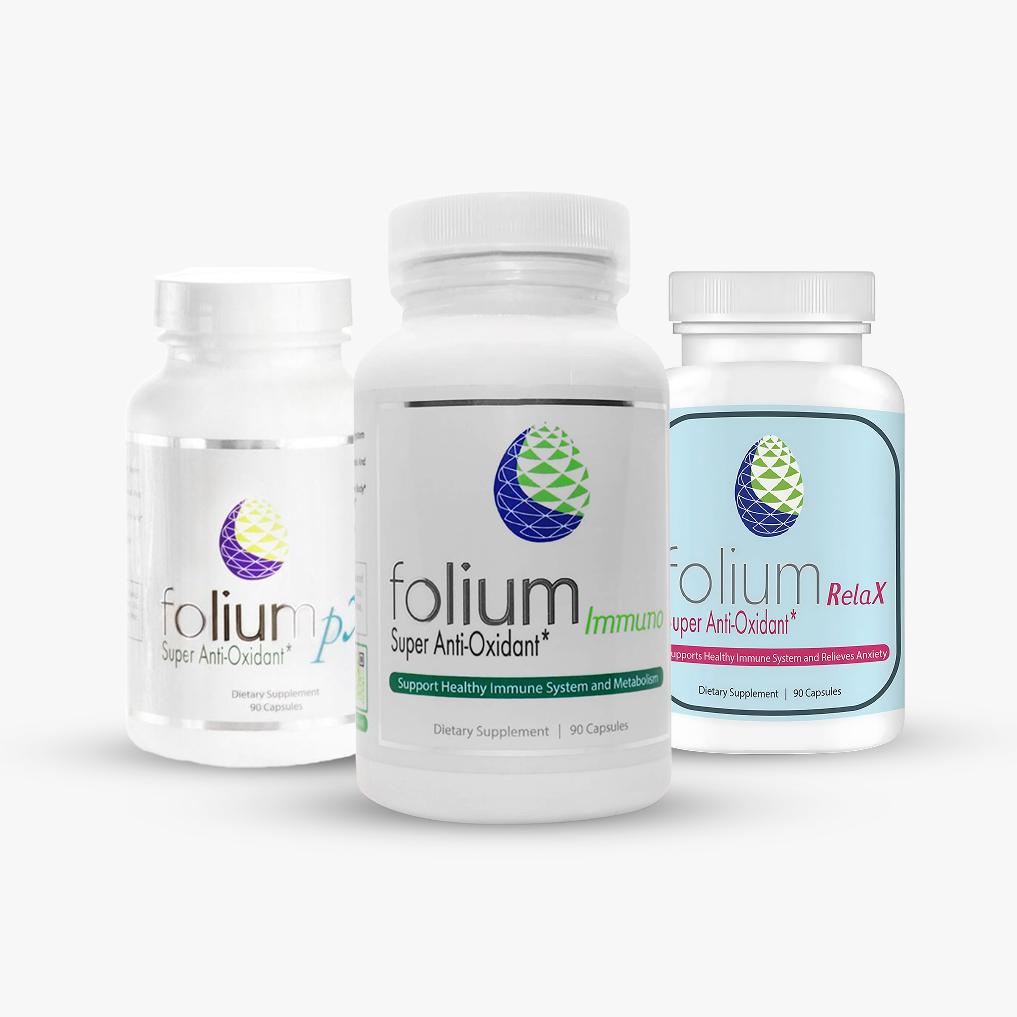
What Folium pX Is
Folium pX is an all natural antioxidant supplement developed by scientists following the 1986 Chernobyl catastrophe. It was created to support immune health and help the body manage the impact of environmental stressors encountered in daily life.
Folium pX is formulated around plant based compounds known as oligomeric proanthocyanidins, commonly referred to as OPCs. These compounds are recognized for their antioxidant properties and role in supporting cellular health.
Key Ingredients in Folium pX
Folium pX contains:
- Pine bark extract
- Grape seed extract
Both ingredients are rich sources of OPCs and polyphenols that support antioxidant balance and cellular protection.
These ingredients were selected for their ability to:
- Neutralize free radicals
- Support normal immune responses
- Assist the body in managing oxidative stress
Supporting a Balanced Wellness Routine
Folium pX is designed to complement a lifestyle that includes nutritious food, clean water, physical activity, and rest. While no supplement replaces medical care, antioxidant support plays a role in maintaining resilience against ongoing environmental exposure.
Because heavy metals accumulate from many small sources, consistent wellness practices help support the body over time rather than focusing on short term solutions.
Recommended Use
The suggested use for Folium pX is three capsules daily. Some individuals choose to follow structured regimens that include rest periods as part of long term balance.
As with any supplement, consultation with a healthcare professional is recommended, especially for individuals who are pregnant, nursing, or managing existing health conditions.
Practical Strategies to Reduce Everyday Exposure

Reducing heavy metal exposure does not require extreme measures. Small consistent actions can significantly lower cumulative burden.
Practical steps include:
- Testing and filtering drinking water
- Choosing a variety of foods and protein sources
- Monitoring air quality
- Reducing household dust
- Using protective equipment when appropriate
- Supporting antioxidant intake through diet and supplementation
Together, these actions form a comprehensive approach to environmental wellness.
When to Consider Professional Testing
If there is known exposure through work, water contamination, or symptoms that raise concern, professional testing may be appropriate. Healthcare providers can recommend blood, urine, or hair testing based on individual circumstances.
Testing results should always be interpreted by qualified professionals who can provide guidance tailored to personal health history.
Conclusion: Everyday Heavy Metal Exposure
Heavy metals are present in many aspects of everyday life, often in ways that are not immediately visible. Water, food, air, soil, and household materials all contribute to cumulative exposure over time.
Awareness allows for informed choices. By reducing exposure where possible and supporting the body’s natural defenses, individuals can take meaningful steps toward long term wellness.
At Folium pX, we focus on supporting antioxidant balance and immune health as part of a broader lifestyle approach. Combined with practical exposure reduction strategies and professional guidance when needed, this approach supports resilience in a modern environment.
Support your body’s natural defenses against everyday environmental stressors with Folium pX as part of a balanced wellness routine. Buy Now.
Frequently Asked Questions About Heavy Metals and Everyday Exposure
What are heavy metals and why are they harmful?
Heavy metals are naturally occurring elements such as lead, mercury, cadmium, and arsenic. They become a concern when they accumulate in the body over time. Unlike many substances, heavy metals do not easily break down or exit the body. Long term exposure can contribute to oxidative stress and interfere with normal biological processes, which is why reducing exposure and supporting the body’s natural defenses is important.
Where do heavy metals come from in everyday life?
Heavy metals come from multiple everyday sources, often in small amounts that add up over time. Common sources include drinking water from older plumbing, certain foods such as fish and rice, contaminated soil and dust, air pollution, and some household materials. Occupational and hobby related exposures can also contribute.
Can heavy metals be found in drinking water?
Yes. Heavy metals such as lead can enter drinking water through household plumbing, fixtures, or service lines. This is more common in older homes or buildings. Even if municipal water meets safety standards, water can pick up metals as it travels through pipes before reaching the tap. Testing and filtering drinking water can help reduce exposure.
Which foods are highest in heavy metals?
Some foods are more likely to contain heavy metals due to how they are grown or where they sit in the food chain. Fish such as tuna and swordfish may contain higher mercury levels. Rice can absorb arsenic from soil and water. Trace amounts of heavy metals have also been found in chocolate, spices, and salt. Eating a varied diet helps limit repeated exposure from a single source.
What are the symptoms of heavy metal exposure?
Symptoms of heavy metal exposure can be subtle and vary depending on the metal and level of exposure. Commonly reported symptoms include fatigue, digestive discomfort, difficulty concentrating, and general feelings of low energy. Because these symptoms overlap with many other conditions, exposure may go unnoticed without professional testing.
How do heavy metals affect the body?
Heavy metals can interfere with enzymes, displace essential minerals, and contribute to oxidative stress. Over time, this can place additional strain on systems involved in detoxification, immune balance, and cellular function. Different metals affect different systems, but cumulative exposure is a key factor in overall impact.
How can I reduce my exposure to heavy metals?
Reducing exposure involves practical everyday steps, including:
- Testing and filtering drinking water
- Choosing lower mercury seafood options
- Rotating food choices and avoiding reliance on one staple
- Reducing household dust
- Using proper ventilation and protective equipment when needed
- Monitoring air quality
Small consistent actions can significantly reduce long term exposure.
What role do antioxidants play in heavy metal support?
Heavy metals contribute to oxidative stress in the body. Antioxidants help neutralize free radicals and support cellular protection. By supporting antioxidant balance, the body is better equipped to manage environmental stressors and maintain normal detoxification pathways as part of overall wellness.
What is Folium pX and how does it support wellness?
Folium pX is an all natural antioxidant supplement developed following the 1986 Chernobyl catastrophe. It is formulated with pine bark extract and grape seed extract, which are rich in oligomeric proanthocyanidins. These plant based compounds support antioxidant balance, immune health, and overall resilience in the presence of environmental stressors such as heavy metals.
Does Folium pX remove heavy metals from the body?
Folium pX is designed to support the body’s natural processes rather than act as a medical treatment. It supports antioxidant defenses and normal detox pathways as part of a balanced wellness routine. Individuals with concerns about heavy metal levels should consult a qualified healthcare professional for testing and guidance.
Who should consider professional heavy metal testing?
Professional testing may be appropriate for individuals with known exposure risks, such as older housing, contaminated water sources, certain occupations, or persistent unexplained symptoms. Healthcare professionals can determine which type of testing is appropriate and help interpret results.
Can supplements replace lifestyle changes for heavy metal exposure?
No. Supplements are most effective when combined with lifestyle and environmental awareness. Reducing exposure at the source, maintaining a varied diet, supporting hydration, and practicing healthy habits all work together. Folium pX is intended to complement these practices, not replace them.
Further Reading
- Basic Information About Lead in Drinking Water: An overview of how lead enters water systems and why household plumbing is a common source of exposure.
- Arsenic Fact Sheet: A global health perspective on arsenic exposure, natural sources, and long term considerations.
- Metals and Contaminants in Food: A science based review of how heavy metals enter the food supply and how exposure is assessed.
- Heavy Metals in Food and Public Health: An educational overview of dietary exposure to heavy metals and population level impacts.


