
Heavy metals are part of the natural environment, yet modern life has dramatically increased the ways people encounter them. Industrial activity, food production systems, aging infrastructure, and environmental pollution all contribute to ongoing exposure. While the human body has built-in mechanisms to process and eliminate unwanted substances, persistent exposure can place added stress on these systems.
At Folium pX, we believe detoxification should be approached with balance, caution, and respect for the body’s natural processes. Not all detox methods are equal in safety or purpose. This article examines two commonly discussed approaches to heavy metals: medical chelation therapy and natural detox support. Understanding how these methods differ helps clarify when each may be appropriate and how to prioritize long-term wellness without unnecessary risk.
Key Takeaways
- Heavy metal exposure today is often low-level and ongoing, making long-term detox support more relevant than short-term interventions.
- Chelation therapy is a medical treatment intended for confirmed toxicity and requires professional supervision.
- Natural detox support focuses on strengthening the body’s existing detox systems rather than forcing removal.
- Gut health and antioxidant balance play important roles in managing heavy metal exposure.
- Sustainable daily habits are safer and more effective than extreme detox protocols.
Did you know? The body is detoxifying every day through the liver, kidneys, and gut, even without special cleanses. Share your thoughts or questions below.
Understanding Heavy Metals and How They Accumulate
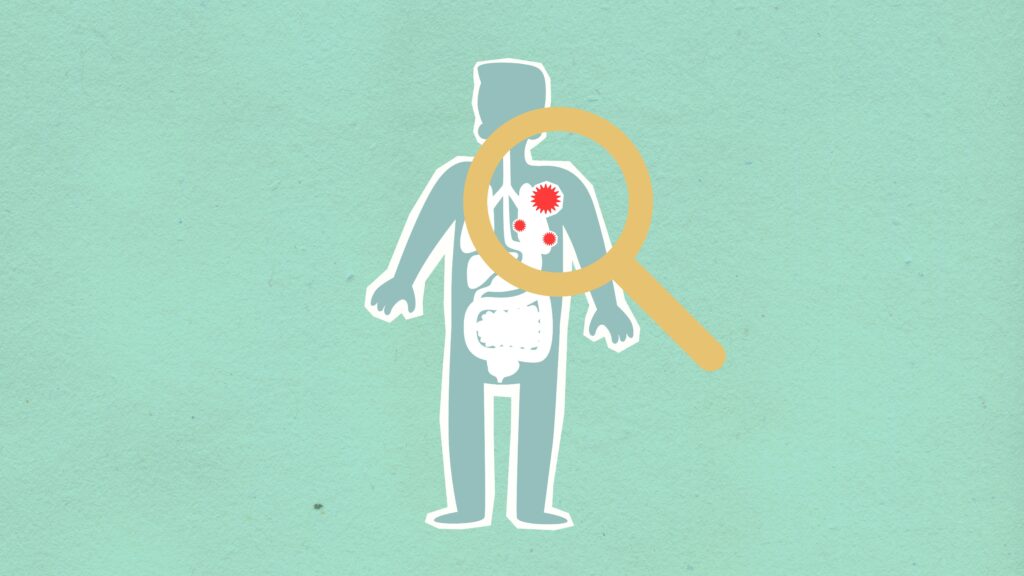
Heavy metals are elements with high density that can interact with biological systems. Some metals, such as iron and zinc, are essential nutrients when present in appropriate amounts. Others, including lead, mercury, cadmium, and arsenic, provide no known biological benefit and may interfere with normal cellular function.
Exposure to heavy metals can occur through multiple pathways:
- Drinking water contaminated by aging pipes or industrial runoff
- Food sources affected by soil contamination or bioaccumulation
- Air pollution from traffic or manufacturing
- Occupational exposure in certain industries
- Consumer products and building materials
Once absorbed, heavy metals may bind to tissues such as bone, fat, and organs. Over time, accumulation can contribute to oxidative stress and disrupt enzyme activity. Symptoms associated with long-term exposure are often nonspecific and may include fatigue, digestive discomfort, or changes in cognitive clarity. Because these symptoms overlap with many other conditions, proper evaluation and testing are essential.
Why Modern Exposure Is Different

Historically, heavy metal exposure was more likely to be acute and localized. Today, exposure patterns are often chronic and low level, occurring across multiple sources simultaneously. This shift matters because detox systems are designed to manage occasional exposure rather than constant input.
Modern exposure is more likely to be:
- Continuous rather than short term
- Occurring at low doses that accumulate over time
- Coming from food, water, air, and consumer products at once
From a wellness perspective, this explains why detoxification is increasingly viewed as a long-term support process rather than a one-time intervention.
Chelation Therapy Explained

What Chelation Therapy Is
Chelation therapy is a medical treatment that uses specific agents to bind heavy metals in the bloodstream. These agents form complexes with metal ions, allowing them to be excreted through urine or bile. Chelation is recognized in conventional medicine for treating confirmed cases of heavy metal poisoning.
How Chelation Works
Chelating agents attract positively charged metal ions and bind to them strongly. This binding reduces the metals’ interaction with tissues and facilitates elimination. Because this mechanism is not selective, chelating agents may also bind to essential minerals such as calcium, magnesium, and zinc. This is why chelation requires medical oversight and monitoring.
Appropriate Medical Use
Chelation therapy is typically reserved for situations involving:
- Laboratory-confirmed elevated heavy metal levels
- Acute or high-level exposure
- Clear medical indication assessed by a licensed healthcare provider
Chelation is not intended as a general wellness tool or preventive practice.
Risks and Limitations of Chelation Therapy
Chelation therapy is powerful and should be approached cautiously. Potential risks include:
- Depletion of essential minerals
- Increased strain on kidney function
- Digestive discomfort or fatigue
- The need for repeated laboratory testing
When used appropriately under medical supervision, chelation may be beneficial in specific clinical cases. Outside of those cases, the risks often outweigh the benefits. For this reason, chelation should never be self-administered or marketed as a routine detox solution.
What Natural Detox Support Really Means

Natural detox support focuses on strengthening the body’s inherent ability to manage and eliminate unwanted substances. Rather than forcing detoxification, this approach emphasizes nourishment, balance, and consistency.
The body relies on several interconnected systems for detoxification:
- The liver transforms compounds into forms that can be eliminated
- The kidneys filter waste from the blood
- The digestive tract limits absorption and supports excretion
- The lymphatic system assists immune and waste processing
Supporting these systems involves daily habits such as hydration, nutrient-dense nutrition, physical activity, and adequate rest. Natural detox support is gradual and designed for long-term sustainability.
Detox Is a Daily Process, Not an Event

A common misconception is that detoxification occurs only during short-term cleanses. In reality, detoxification is continuous. The liver performs hundreds of detox-related functions every day. The kidneys filter blood constantly. The digestive system continuously determines what is absorbed and what exits the body.
Natural detox support focuses on:
- Reducing unnecessary strain on detox organs
- Providing nutrients that support enzymatic processes
- Encouraging regular elimination
This approach shifts detoxification away from extreme protocols and toward everyday practices that support long-term balance.
The Role of the Gut in Detoxification
The digestive system serves as both a gateway and a barrier. Not everything consumed enters the bloodstream. A healthy gut environment helps regulate absorption and supports elimination.
A balanced gut microbiome may:
- Bind certain metals and reduce absorption
- Support regular bowel movements
- Communicate with immune and detox pathways
- Reduce inflammatory stress
Supporting gut health includes:
- Eating adequate dietary fiber
- Encouraging microbial diversity
- Limiting highly processed foods
- Supporting digestive regularity
Strengthening gut function can reduce the burden placed on other detox systems.
Antioxidants and Detox Support
Heavy metals are known to contribute to oxidative stress, which occurs when free radicals damage cells and tissues. Antioxidants neutralize free radicals and support cellular protection.
From a detox support perspective, antioxidants:
- Help manage oxidative stress associated with exposure
- Support liver enzyme activity
- Protect cellular membranes and DNA
- Complement elimination pathways
Folium pX was developed with a focus on plant-based antioxidants selected for broad cellular support. Rather than overwhelming detox pathways, antioxidants work alongside them to help maintain balance during ongoing exposure.
Chelation vs. Natural Detox Support
Key Differences
| Category | Chelation Therapy | Natural Detox Support |
| Purpose | Clinical removal of metals | Support normal detox systems |
| Typical use | Confirmed toxicity | Long-term wellness |
| Speed | Rapid under supervision | Gradual and consistent |
| Risk level | Higher if misused | Lower when used responsibly |
| Oversight | Medical supervision required | Optional professional guidance |
These approaches serve different needs and should not be confused or combined without guidance.
Choosing the Right Approach
When Chelation May Be Appropriate
Chelation may be considered when testing confirms elevated heavy metal levels that require medical intervention. These situations should always involve a licensed healthcare provider.
When Natural Detox Support May Be Appropriate
Natural detox strategies may be suitable for individuals concerned about cumulative exposure who do not have acute toxicity. This approach emphasizes prevention, resilience, and long-term support.
At Folium pX, we encourage informed decisions based on context rather than fear.
Building a Sustainable Detox Support Routine
Supporting detoxification works best when integrated into daily life rather than isolated programs.
Foundational practices include:
- Drinking clean, filtered water
- Eating antioxidant-rich fruits and vegetables
- Including fiber to support digestion
- Prioritizing sleep and recovery
- Using targeted supplements thoughtfully
Consistency over time is more effective than extreme short-term interventions.
Safety Considerations
Even natural approaches require care. Supplements should be used responsibly and within recommended guidelines.
Additional caution is advised for individuals who:
- Have kidney or liver conditions
- Are pregnant or breastfeeding
- Take prescription medications
When uncertainty exists, professional guidance is always appropriate.
Conclusion: Chelation vs Natural Detox
Chelation therapy and natural detox support address heavy metals in fundamentally different ways. Chelation is a medical intervention reserved for confirmed toxicity under professional supervision. Natural detox support focuses on strengthening the body’s own systems through nutrition, lifestyle, and antioxidant support.
At Folium pX, our philosophy centers on balance, safety, and long-term wellness. The safest approach to heavy metals is one that respects the body’s biology, avoids extremes, and supports sustainable health over time.
Support your body’s natural detox balance with a thoughtful, antioxidant-focused approach from Folium pX. Shop the range today!
Frequently Asked Questions About Heavy Metal Detox
What are heavy metals and why are people concerned about them?
Heavy metals are naturally occurring elements such as lead, mercury, cadmium, and arsenic. Some metals are essential in small amounts, while others have no known biological role. Concern arises because modern environments can expose people to these metals through food, water, air, and consumer products. Over time, ongoing exposure may place stress on the body’s natural detox systems.
What is heavy metal detox?
Heavy metal detox refers to strategies intended to help the body manage and eliminate unwanted metal exposure. These strategies generally fall into two categories. Medical chelation therapy is used in clinical settings for confirmed toxicity. Natural detox support focuses on supporting the body’s existing detox pathways through nutrition, lifestyle, and antioxidant support.
Is chelation therapy safe?
Chelation therapy can be safe when used appropriately under medical supervision for diagnosed heavy metal toxicity. It is not considered a general wellness practice. Chelation involves risks such as mineral depletion and kidney strain, which is why it should never be self administered or used without professional oversight.
Can you detox heavy metals naturally?
The body already has systems in place to process and eliminate unwanted substances. Natural detox support focuses on helping these systems function efficiently rather than forcing removal. This may include supporting liver function, gut health, hydration, and antioxidant balance. Natural approaches are generally gradual and intended for long-term support rather than rapid intervention.
How does the body remove heavy metals?
The body relies on multiple systems to manage heavy metals. The liver transforms compounds into forms that can be excreted. The kidneys filter waste from the blood. The digestive tract helps limit absorption and supports elimination through regular bowel movements. Supporting these systems helps maintain detox balance.
What role do antioxidants play in detoxification?
Antioxidants help neutralize free radicals associated with oxidative stress. Heavy metal exposure is known to increase oxidative stress, which can affect cells and tissues. Antioxidants support cellular protection and help maintain normal detox processes without overwhelming the body.
Why is gut health important for heavy metal detox?
The gut acts as a barrier that determines what is absorbed into the bloodstream. A healthy gut environment can help bind certain substances and support their elimination before they are absorbed. Supporting gut health through fiber, balanced nutrition, and microbial diversity may reduce overall toxic burden.
Is natural detox safer than chelation?
Natural detox support is generally lower risk when used responsibly, especially for individuals without confirmed heavy metal toxicity. Chelation therapy is more aggressive and intended for specific medical situations. The safest approach depends on individual circumstances, exposure levels, and professional guidance.
How long does heavy metal detox take?
There is no universal timeline for detoxification. Natural detox support is typically gradual and ongoing, as the body processes exposure continuously. Rapid detox claims should be approached with caution. Consistency and long-term habits are more important than short-term programs.
Who should avoid detox supplements?
Individuals with kidney or liver conditions, those who are pregnant or breastfeeding, and those taking prescription medications should consult a healthcare professional before using detox supplements. Even natural products should be used thoughtfully and within recommended guidelines.
How does Folium pX support detox balance?
Folium pX is designed to support the body’s natural detox systems through plant-based antioxidant support. Our approach focuses on cellular protection, oxidative balance, and long-term wellness rather than extreme detox protocols.
Should I get tested for heavy metals?
Testing may be appropriate if there is known exposure, concerning symptoms, or occupational risk. Testing decisions should be guided by a qualified healthcare professional who can interpret results accurately and recommend appropriate next steps.
Further Reading
- Chelation Therapy Overview: A clinical overview explaining when chelation therapy is used and how it works in medical settings.
- Oxidative Stress and Heavy Metals: A scientific review exploring how heavy metals contribute to oxidative stress at the cellular level.
- The Role of the Gut Microbiome in Detoxification: Research examining how gut bacteria influence toxin processing and elimination.